Project Orion: Nuclear Bomb Starship That Almost Was
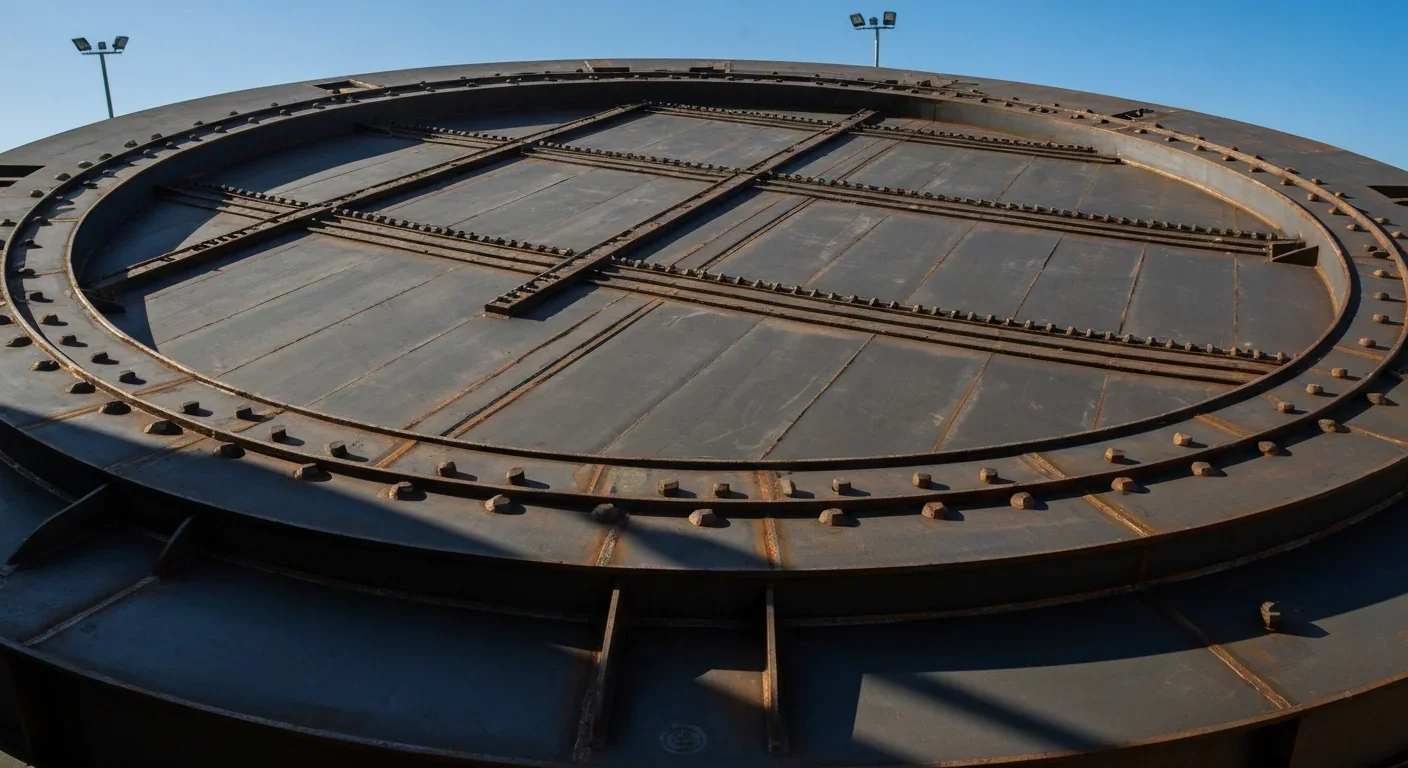
Project Orion: Nuclear Bomb Starship That Almost Was
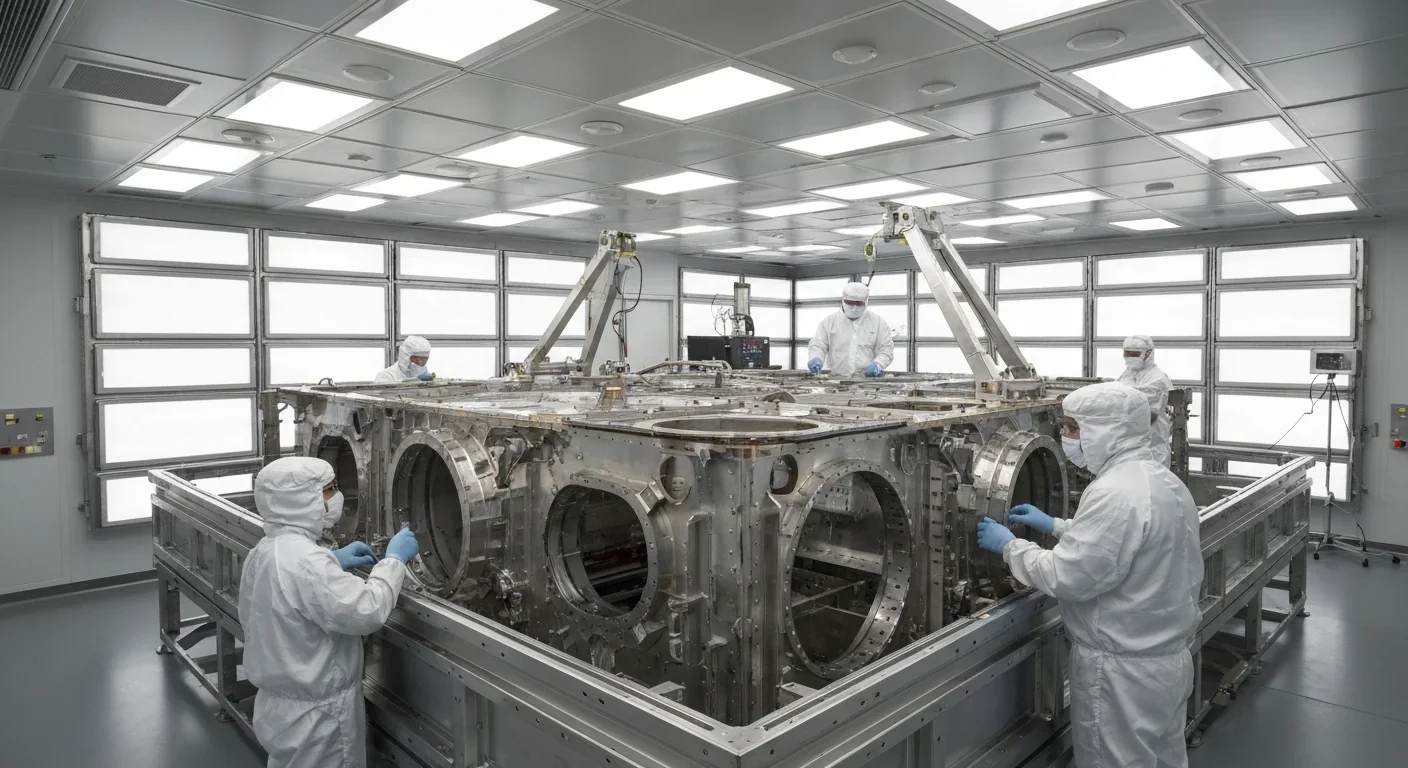
Europa Clipper Radiation Vault: Surviving Jupiter
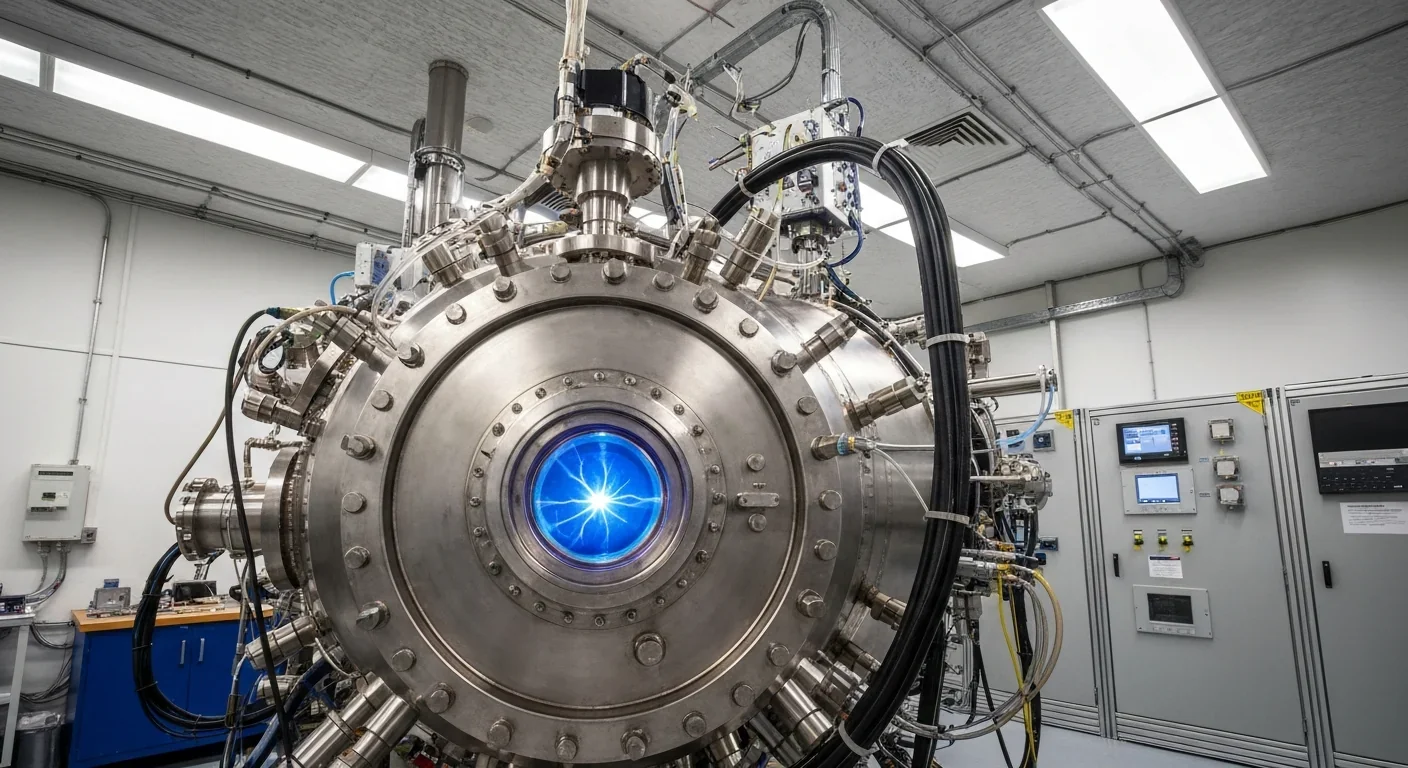
VASIMR Plasma Engine: Could It Transform Mars Travel?
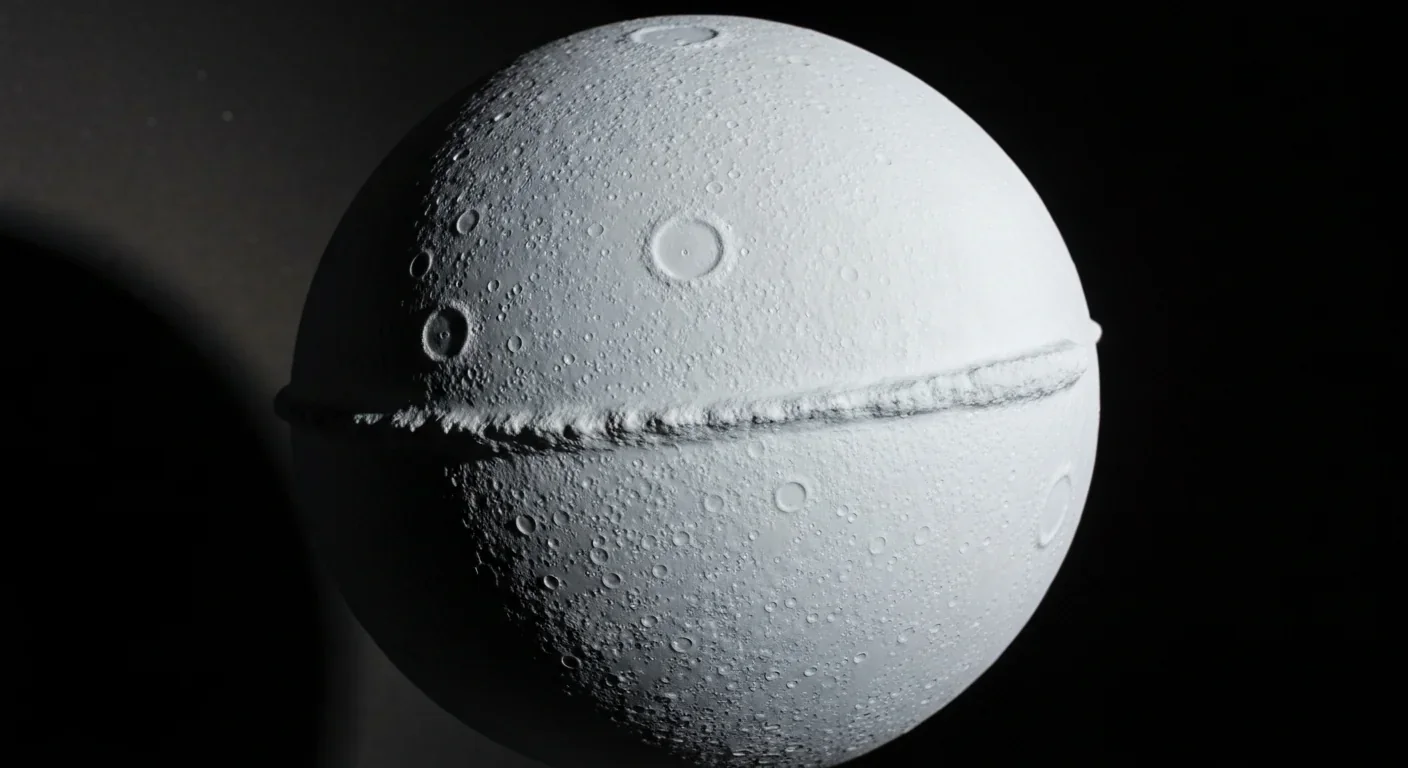
Iapetus Equatorial Ridge: The Solar System's Strangest Mountain

Titan's Hidden Ocean: Ammonia Keeps Water Liquid

Mimas: How Saturn's Death Star Moon Hides an Ocean
TL;DR: Centaurs are icy bodies orbiting between Jupiter and Neptune with chaotic, short-lived orbits that transform them into comets or eject them from the solar system. Recent discoveries of ring systems, cometary activity, and new survey capabilities are revealing how these transient wanderers connect the outer solar system to the inner planets.
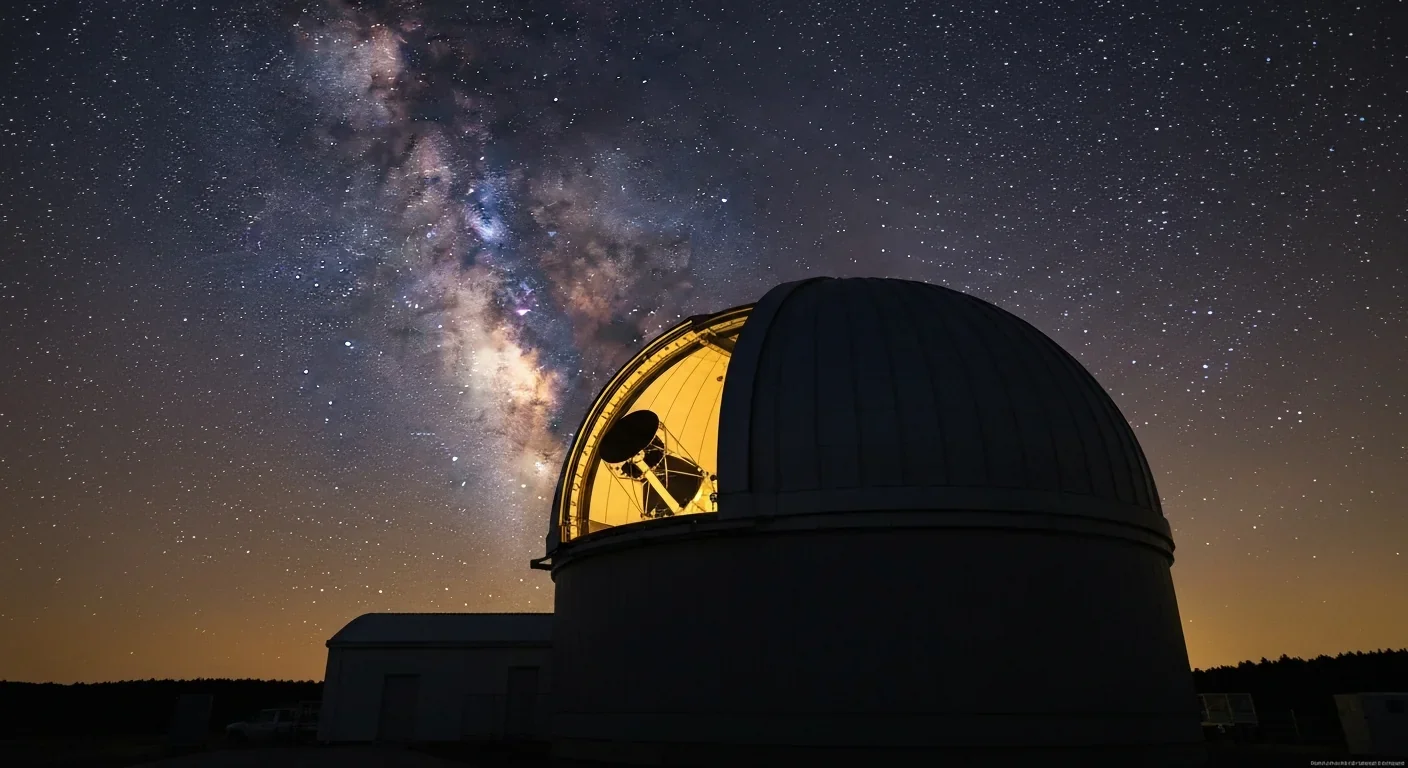
Somewhere between Jupiter and Neptune, hundreds of icy objects are playing a cosmic game of pinball that they're guaranteed to lose. These aren't asteroids. They aren't quite comets either. They're Centaurs, and their chaotic, doomed orbits are telling scientists things about our solar system's past that no stable, well-behaved object ever could. Within the next decade, new telescopes will reveal thousands more of them, and what we learn could fundamentally change how we think about the architecture of planetary systems.
Centaurs occupy a strange no-man's-land in the outer solar system. They orbit the Sun in the region between Jupiter and Neptune, but unlike the neatly arranged asteroids of the main belt or the distant, slow-moving residents of the Kuiper Belt, Centaurs cross or approach the orbits of the giant planets. That's a dangerous place to be. Jupiter, Saturn, Uranus, and Neptune are gravitational heavyweights, and their combined pull constantly reshapes Centaur trajectories in ways that are fundamentally unpredictable.
The result is orbital chaos. A Centaur's path today gives you almost no information about where it'll be in a few million years. That might sound like a long time, but in solar system terms it's a blink. The typical dynamical lifetime of a Centaur is just one to ten million years before it gets scattered inward to become a Jupiter-family comet, flung back out toward the Kuiper Belt, or ejected from the solar system entirely. Roughly two-thirds of all Centaurs eventually evolve into short-period comets or get kicked out of the solar system altogether.
This makes them transient visitors. Every Centaur we see today is a temporary resident, and the fact that we see any at all means the population is being constantly replenished from somewhere else.
Centaur orbits last just one to ten million years, a cosmic blink, before these objects are scattered into comets, flung back to the Kuiper Belt, or ejected from the solar system entirely.
The story of Centaurs begins in 1977, when astronomer Charles Kowal discovered an unusual object orbiting between Saturn and Uranus. He named it Chiron, after the wise centaur of Greek mythology, because it seemed to be a hybrid, something between an asteroid and something else entirely. Initially classified as minor planet 2060 Chiron, the object sat quietly in catalogs for over a decade.
Then in 1989, astronomers noticed something remarkable. Chiron had developed a coma, the fuzzy envelope of gas and dust that's the hallmark of a comet. This was deeply strange. Chiron was enormous by comet standards, roughly 200 kilometers across, and it was far from the Sun. Comets aren't supposed to behave this way at those distances. The discovery earned Chiron a dual designation as both asteroid 2060 and comet 95P/Chiron, a classification that still reflects the object's refusal to fit neatly into existing categories.
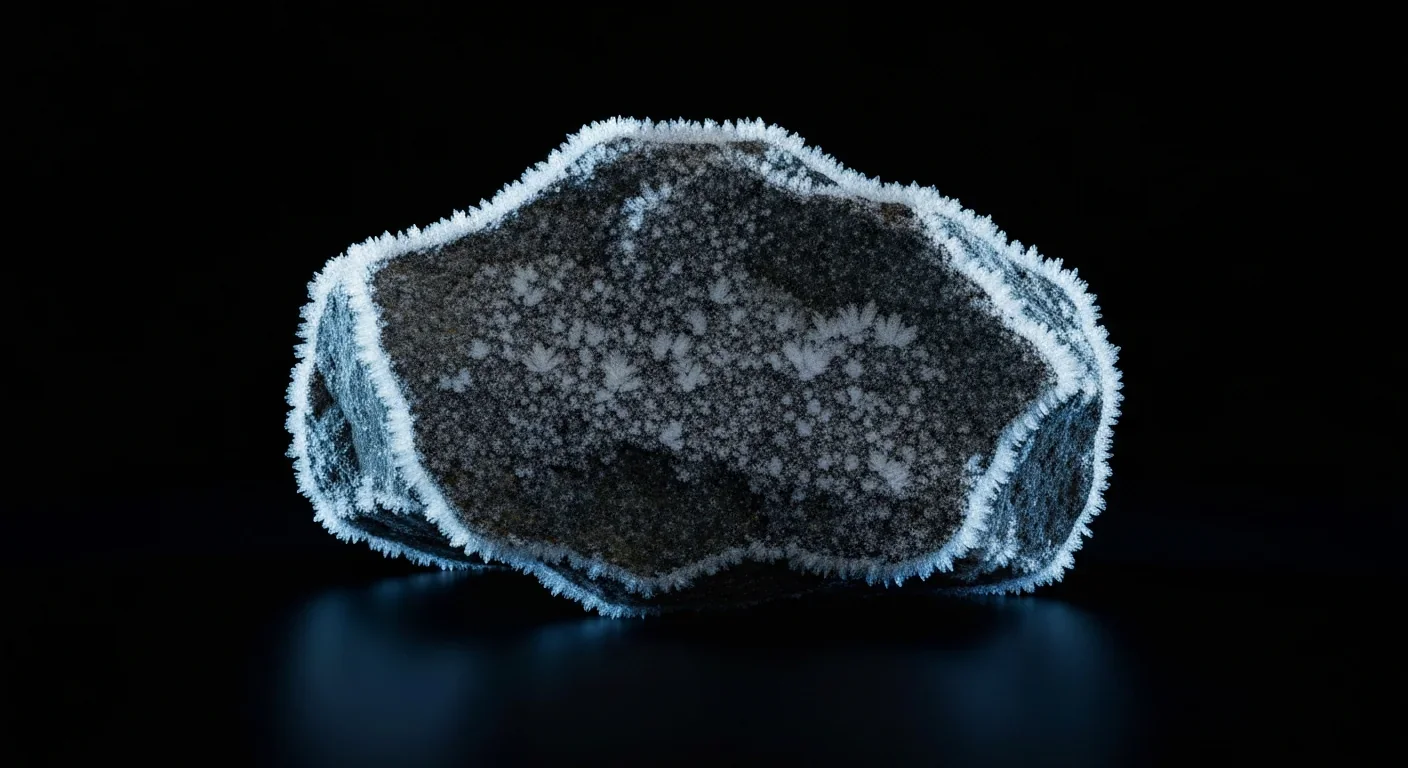
Chiron's cometary outbursts haven't stopped surprising researchers. In 2021, data from the ATLAS survey system showed Chiron was unexpectedly much brighter than it had been in the previous five years, suggesting a new burst of activity. Researchers at Queen's University Belfast used the Gemini Observatory to investigate and confirmed Chiron had experienced a significant cometary outburst. Later, the James Webb Space Telescope revealed a fan-shaped coma and detected carbon dioxide, carbon monoxide, and methane on Chiron's surface and in its gaseous envelope, a chemical cocktail unlike anything seen on other Centaurs.
"We know it has been ejected from the TNO population and is only now transiting through the region of the giant planets, where it will not stay for too long."
- Noemí Pinilla-Alonso, Florida Space Institute / University of Central Florida
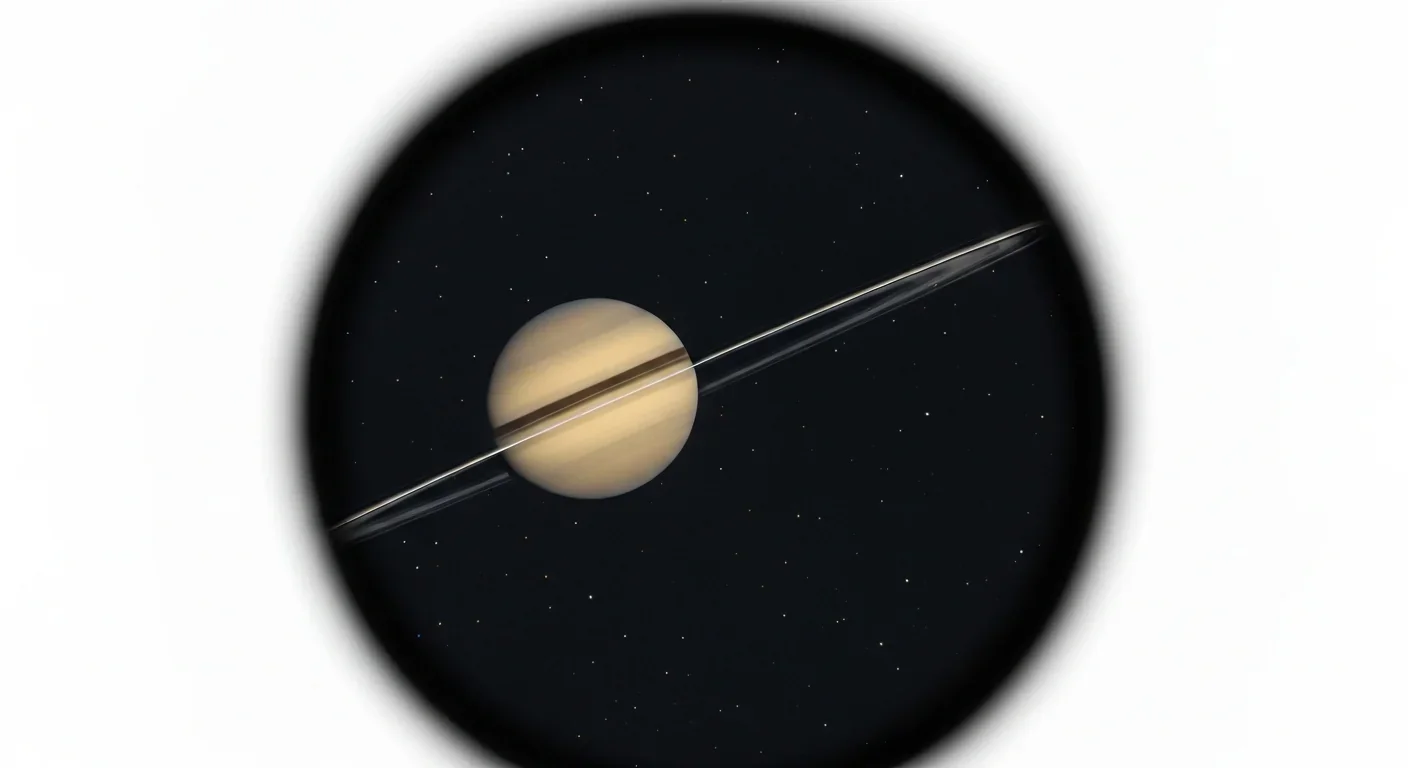
If Chiron rewrote the rulebook on what small icy bodies can do, another Centaur delivered an even bigger shock. In 2013, astronomers observing a stellar occultation discovered that 10199 Chariklo, the largest known Centaur at roughly 250 kilometers across, has its own ring system. Two distinct rings encircle this small, distant body, making Chariklo the first minor body ever found to possess rings.
Before Chariklo, rings were the exclusive domain of the giant planets. Finding them around an object smaller than most mid-sized asteroids raised immediate questions. How did these rings form? How do they survive the gravitational chaos of the Centaur region? Subsequent JWST observations confirmed the rings and enabled detailed spectroscopic analysis, revealing water ice and other compounds in the ring material.
And Chariklo isn't alone. Evidence suggests that Chiron itself may have rings, with a measured ring radius of 324 plus or minus 10 kilometers. The possibility that rings are common among Centaurs, not a freak occurrence, has opened an entirely new line of investigation into how small bodies in dynamically violent environments can maintain delicate structures.
Understanding where Centaurs come from requires looking beyond Neptune. The scattered disk, a region of icy bodies on highly elliptical orbits that were flung outward during the early solar system's violent reorganization, is the primary source. Objects in the scattered disk periodically get nudged by Neptune's gravity until their orbits bring them inward, crossing into the giant planet region where they become Centaurs.
The process works like a conveyor belt. New Centaurs are continuously supplied from the trans-Neptunian population, including the hot classical Kuiper Belt and scattered disk. At the same time, existing Centaurs are steadily lost, either scattered inward to become Jupiter-family comets or ejected from the solar system. Research from the Planetary Science Institute has shown that close encounters with Jupiter or Saturn are the principal catalyst for turning otherwise inactive Centaurs into active comets, as gravitational forces heat the interior and expose fresh volatile ices to sunlight.
This steady-state pipeline means that every comet that lights up our skies, every short-period comet that loops around Jupiter, likely spent time as a Centaur first. They're the way station between the deep freeze of the outer solar system and the inner solar system's warmth.
Every Jupiter-family comet that lights up our skies likely spent time as a Centaur first, making these objects the critical way station between the outer solar system's deep freeze and the warmth of the inner planets.
One of the most puzzling things about Centaurs is their appearance. When astronomers measure the light reflected from their surfaces, Centaurs fall into two sharply distinct groups. Some are extremely red, like 5145 Pholus, which has one of the reddest surfaces of any known solar system body. Others are neutral gray, like Chiron. There's very little in between.
This bimodal color distribution has been a persistent mystery. Research from the Planetary Science Institute suggests the color differences may reflect different origins within the Kuiper Belt, different histories of space weathering by cosmic radiation, or both. Red surfaces might indicate ancient, radiation-processed organic compounds, while gray surfaces could mean recent cometary activity has exposed fresh subsurface ice.

The fact that Centaurs come from multiple source reservoirs with different thermal and dynamical histories means that even Centaurs on similar orbits can look completely different. Each one carries a unique record of where it's been and what it's experienced, like a geological core sample from the outer solar system.
Centaurs aren't just interesting in themselves. They're direct evidence for one of the most dramatic events in solar system history: the migration of the giant planets.
The Nice model, named after the French city where it was developed, proposes that the giant planets formed in a more compact configuration and then migrated to their current positions, with Neptune moving dramatically outward. This migration scattered enormous numbers of icy bodies from stable orbits into chaotic ones, creating the scattered disk that feeds the Centaur population today.
The very existence of Centaurs, and their continuous resupply from the trans-Neptunian region, is powerful evidence that planetary migration happened. Without migration, there wouldn't be a scattered disk. Without a scattered disk, there wouldn't be Centaurs. Without Centaurs, there wouldn't be Jupiter-family comets delivering water and organic molecules to the inner solar system.
This chain of consequences connects the chaotic wandering of individual icy bodies to the biggest questions in planetary science. Did Earth's water come, in part, from comets that were once Centaurs that were once scattered disk objects? The evidence increasingly suggests yes.
"Centaurs populate chaotic orbits with short dynamical lifetimes estimated from a few Myr up to tens of Myr."
- Kokotanekova et al., Chapter 7: Evolutionary Processes in the Centaur Region
We currently know of roughly 910 Centaurs in the JPL database, but that number is about to explode. The Vera C. Rubin Observatory, currently preparing for its Legacy Survey of Space and Time, is expected to discover thousands of new Centaurs over its ten-year survey. Predictions published in recent studies suggest the survey will reveal Centaurs too small and faint for current telescopes to detect, dramatically expanding our understanding of the population's size distribution, colors, and orbital characteristics.
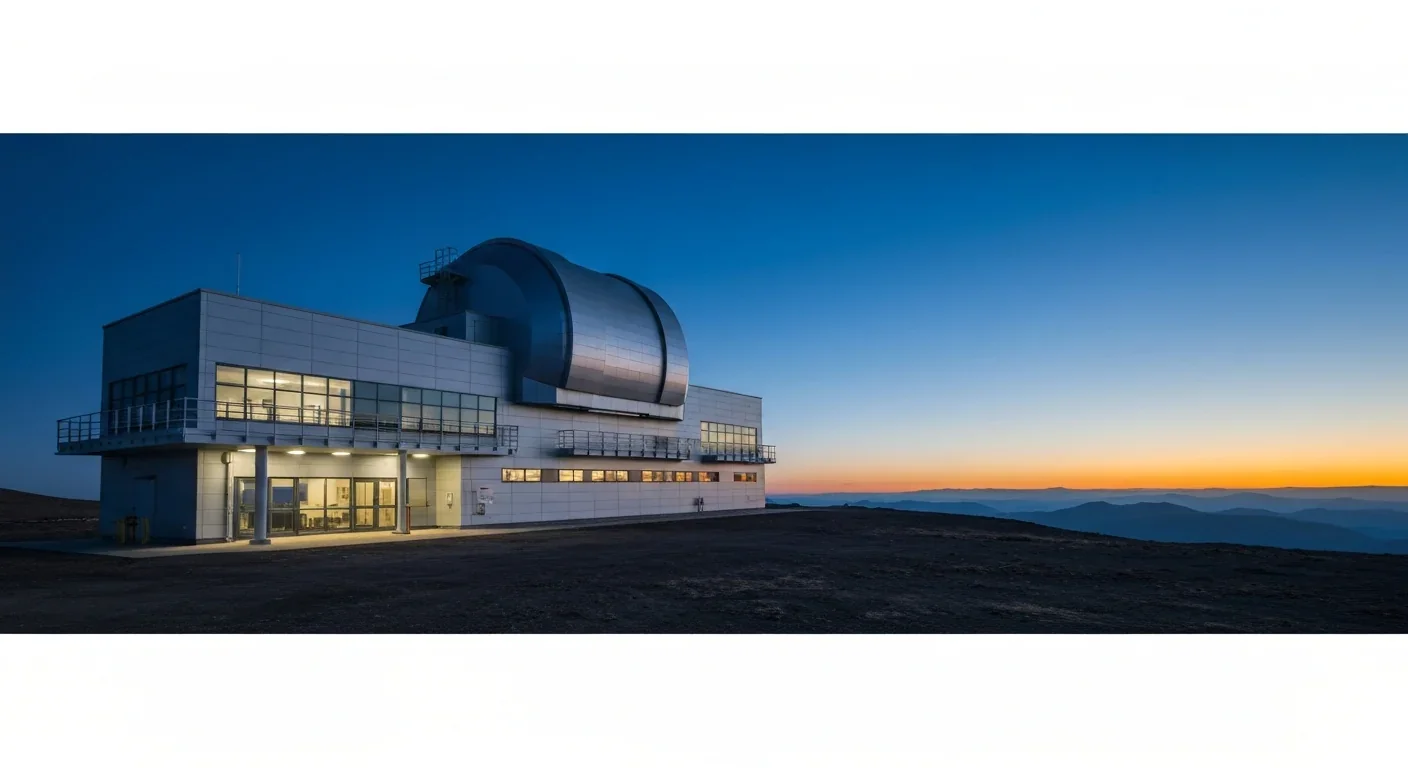
Meanwhile, JWST continues to transform what we know about individual Centaurs. Its ability to detect volatile gases in comae at enormous distances from the Sun is providing unprecedented chemical portraits of these objects. Observations of Centaur 29P/Schwassmann-Wachmann, one of the most active Centaurs known, revealed unusual jets of carbon monoxide and carbon dioxide, hinting at complex internal chemistry.
New research has also identified previously unknown reservoirs of high-inclination Centaurs beyond Neptune, objects orbiting at steep angles to the plane of the solar system that current surveys have largely missed. These populations could significantly increase the total estimated number of Centaurs and provide new constraints on the early solar system's dynamics.
There's something poetically fitting about objects named after mythological creatures that were half one thing, half another. Centaurs blur every boundary astronomers have tried to draw: between asteroids and comets, between the inner and outer solar system, between stable and chaotic. They exist in transition, and they won't exist for long.
But that transience is exactly what makes them valuable. Because Centaurs are constantly being refreshed from the deep outer solar system, they offer scientists relatively pristine samples of primordial material that has been stored in cold storage since the solar system's formation 4.6 billion years ago. They're windows into the past, delivered to a region where our best telescopes can actually study them.
No spacecraft has ever visited a Centaur up close. Saturn's moon Phoebe may be a captured Centaur, based on data from NASA's Cassini mission, but a dedicated mission to one of these objects remains a goal rather than a plan. When that mission eventually launches, it will visit something genuinely unlike anything we've explored before: a body caught mid-transformation, carrying ice and dust from the edge of the solar system, slowly waking up as it drifts toward the Sun.
Until then, every new Centaur discovered, every outburst detected, every ring system confirmed, adds another piece to the puzzle of how our solar system was built and how it continues to evolve. These doomed wanderers may not last, but what they're teaching us will.
Project Orion was a real 1960s program to reach other stars by detonating 800 nuclear bombs behind a spacecraft. The physics worked and the engineering was feasible, but the 1963 nuclear test ban treaty killed it. It remains the most credible interstellar spacecraft ever designed.

The locus coeruleus, a tiny brainstem structure, degenerates decades before Alzheimer's symptoms appear. Its loss cripples the brain's inflammation control, waste clearance, and sleep regulation. New imaging tools and noradrenergic therapies offer hope for early detection and prevention.

Research shows the sharing economy often increases total resource consumption through the Jevons paradox and rebound effects. Ride-sharing adds billions of vehicle miles, co-working spaces use more energy per worker, and diffused responsibility erodes conservation behavior. Breaking the paradox requires congestion pricing, accountability design, and matching sharing models to appropriate resource types.

Psychological reactance theory explains why banning or restricting things makes people want them more. From Prohibition to the Streisand effect to scarcity marketing, research shows that threatening people's freedom reliably backfires, and autonomy-supportive communication is far more effective.

A carnivorous pitcher plant in Borneo evolved to house bats instead of trapping insects, gaining up to 95% of its nitrogen from bat guano. The plant even built an ultrasonic reflector to help bats find it, revealing that carnivory in plants is a flexible spectrum.

The quantified self movement began as a hacker-ethos pursuit of personal insight, but corporate wearables now funnel biometric data to employers, insurers, and data brokers. With 81% of Americans wrongly believing health apps are HIPAA-protected, a regulatory void enables health data to be sold for pennies while generating anxiety instead of empowerment.

CXL memory pooling lets servers dynamically share DRAM over a cache-coherent interconnect, eliminating the 40% stranded memory waste in data centers. With commercial hardware now shipping and Azure deploying CXL cloud instances, this technology promises to cut memory costs by 50% while enabling composable infrastructure.

Loading featured articles...