Project Orion: Nuclear Bomb Starship That Almost Was
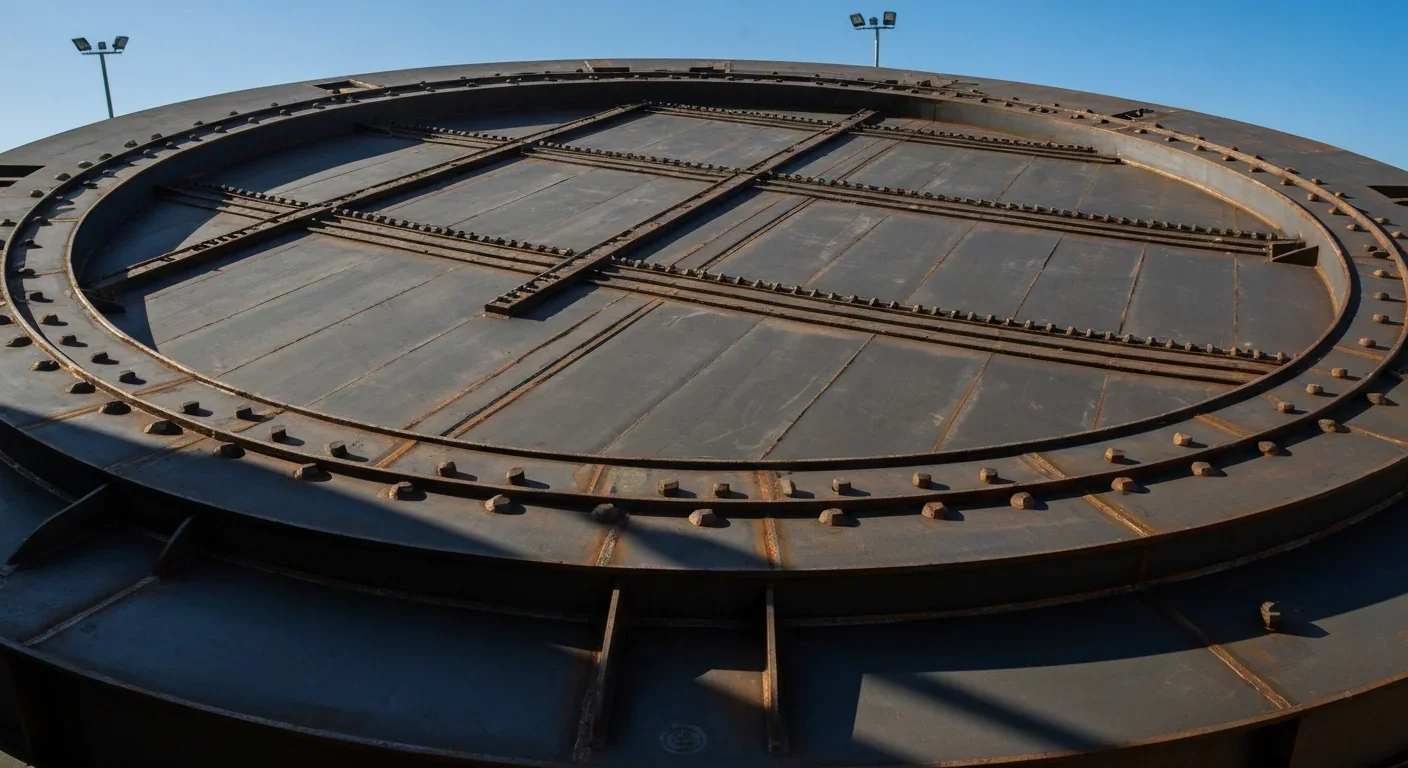
Project Orion: Nuclear Bomb Starship That Almost Was
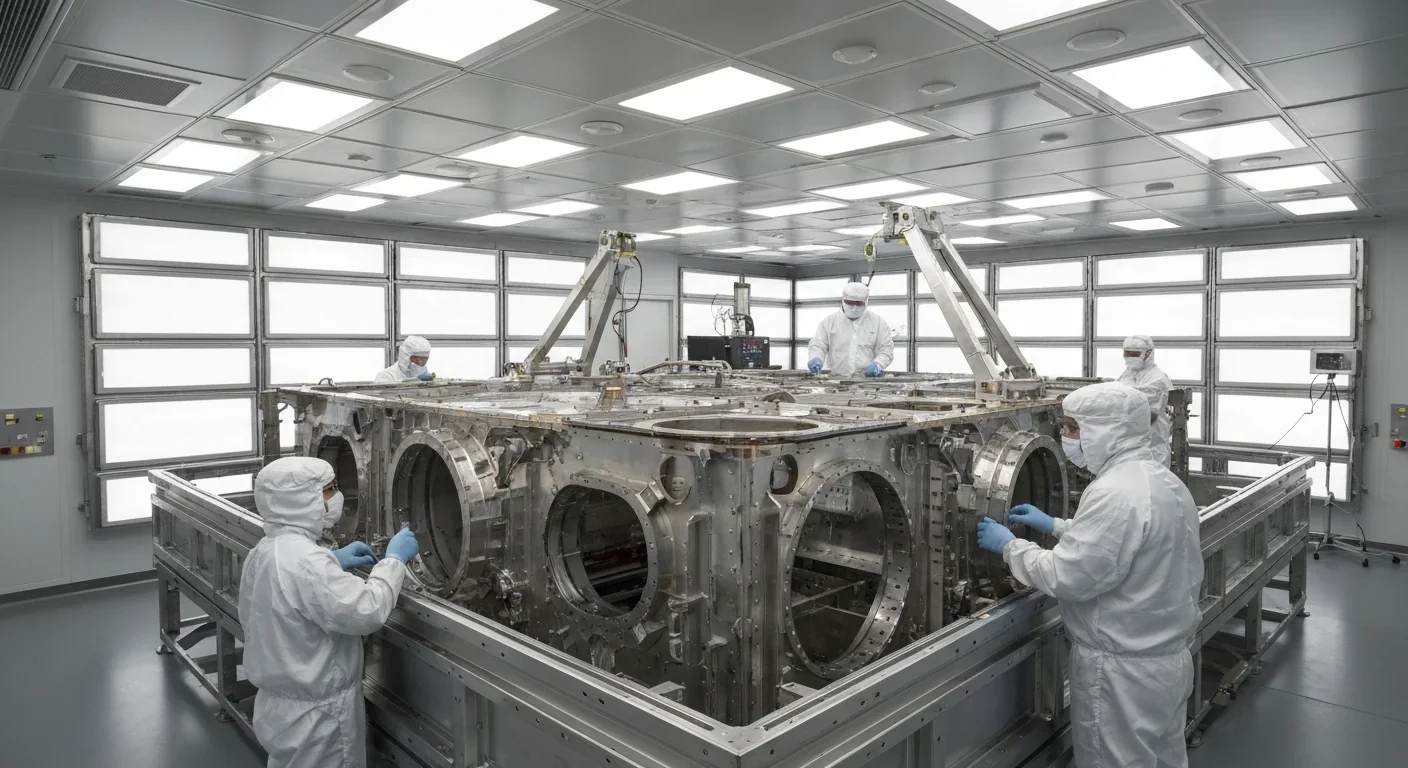
Europa Clipper Radiation Vault: Surviving Jupiter
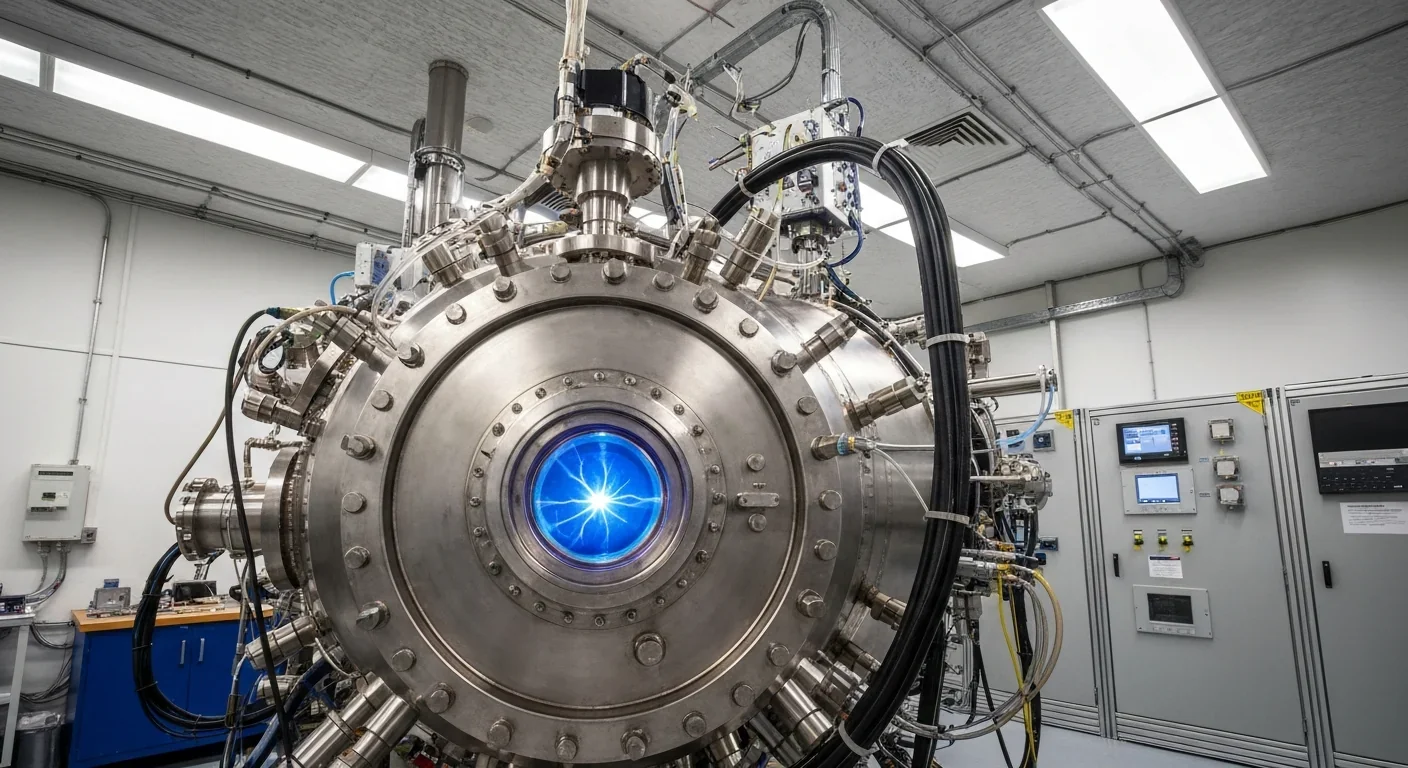
VASIMR Plasma Engine: Could It Transform Mars Travel?
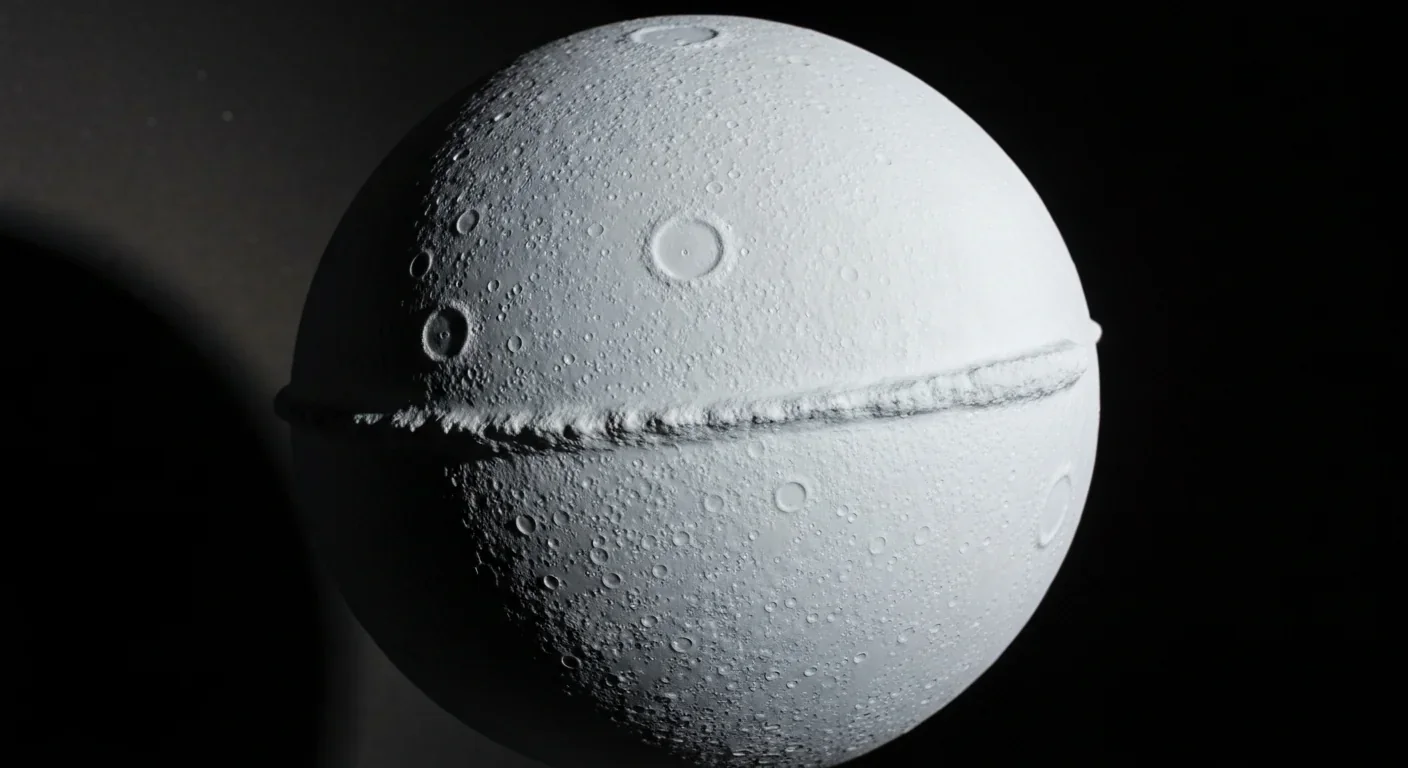
Iapetus Equatorial Ridge: The Solar System's Strangest Mountain
Mimas: How Saturn's Death Star Moon Hides an Ocean
How Solar Sails Tack on Sunlight Like Ocean Ships
TL;DR: Saturn's moon Titan may harbour liquid water beneath its frozen crust, kept from freezing by ammonia acting as a natural antifreeze. New Cassini data suggests the interior could be slush with warm water pockets rather than a global ocean, and NASA's Dragonfly mission launching in 2028 aims to investigate whether this exotic environment could support life.
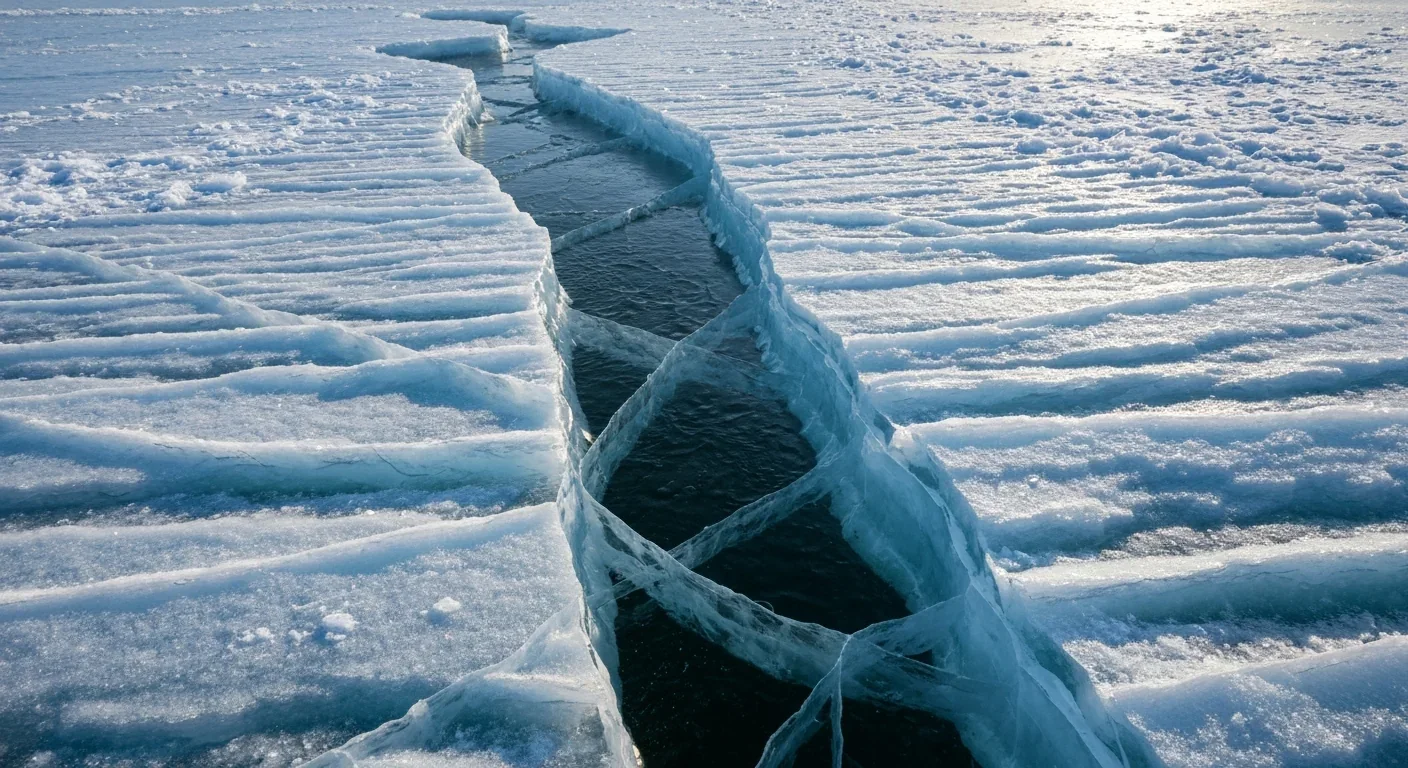
Imagine a world where it rains liquid methane, where rivers of ethane carve canyons through frozen bedrock, and where the surface temperature hovers around -179°C. Now imagine that beneath all of that alien cold, there might be liquid water. Not frozen, not locked in crystal lattices, but genuinely fluid, sloshing around in the dark. That's Titan, Saturn's largest moon, and the mystery of what lies beneath its icy crust is forcing scientists to rethink everything they thought they knew about where life could exist.
For 13 years, NASA's Cassini spacecraft orbited Saturn, making repeated close flybys of Titan. The data it sent back changed planetary science. Among the most striking findings were precision gravity measurements that revealed something unexpected about Titan's interior.
As Cassini swooped past the moon, radio tracking stations on Earth measured tiny shifts in the spacecraft's velocity caused by Titan's gravitational pull. Those measurements yielded a tidal Love number of k2 approximately 0.589, a value that tells scientists how much Titan deforms in response to Saturn's gravity. A completely rigid, frozen-solid moon would barely flex at all. Titan flexes a lot.
The implication was striking: something liquid had to exist inside Titan, decoupling the outer ice shell from the deeper interior. Cassini also detected changes in Titan's rotation rate between flybys, consistent with an ice shell floating on a liquid layer rather than being locked to the rocky core below. The European Space Agency's Huygens probe, which descended through Titan's atmosphere in 2005, also measured radio signals suggesting an ocean 55 to 80 kilometres below the surface.
Together, these observations painted a picture of a moon with a global subsurface liquid layer, hidden beneath an ice shell estimated at 50 to 200 kilometres thick. But here's the puzzle: at the temperatures inside Titan, pure water would be frozen solid. Something had to be keeping it liquid.

The answer, scientists believe, is ammonia. When you dissolve ammonia in water at a concentration of roughly 30% by mass, something remarkable happens to the mixture's freezing point. Instead of solidifying at 0°C like pure water, the ammonia-water eutectic doesn't freeze until it reaches approximately -97°C, about 176 Kelvin. That's the eutectic minimum, the lowest possible freezing point for this particular chemical system.
Think of it like road salt on steroids. When cities spread salt on icy roads in winter, they're exploiting the same basic principle: dissolving a substance in water lowers its freezing point. Ammonia just does it far more dramatically, pushing the freezing threshold down by nearly a hundred degrees Celsius.
Thermal evolution models suggest that Titan's interior could harbour an ammonia-water ocean as much as 200 kilometres deep. The liquid would be sustained by two heat sources: residual radioactive decay from Titan's rocky core and the constant gravitational kneading that Saturn inflicts on the moon through tidal forces. Every time Titan's slightly eccentric orbit brings it closer to or farther from Saturn, the giant planet's gravity squeezes and stretches the moon's interior, generating frictional heat.
At roughly 30% ammonia by mass, the ammonia-water eutectic freezes at approximately -97°C, nearly 100 degrees below pure water's freezing point. This natural antifreeze mechanism could keep an ocean liquid on a world where surface temperatures plunge to -179°C.
This is a fundamentally different liquid environment from Titan's famous surface features. While the methane and ethane lakes at Titan's poles, including the enormous Kraken Mare, are hydrocarbon seas sitting in the open cold, the subsurface ocean is a water-based system, just one laced with enough ammonia to stay liquid in conditions that would make Antarctica look tropical.
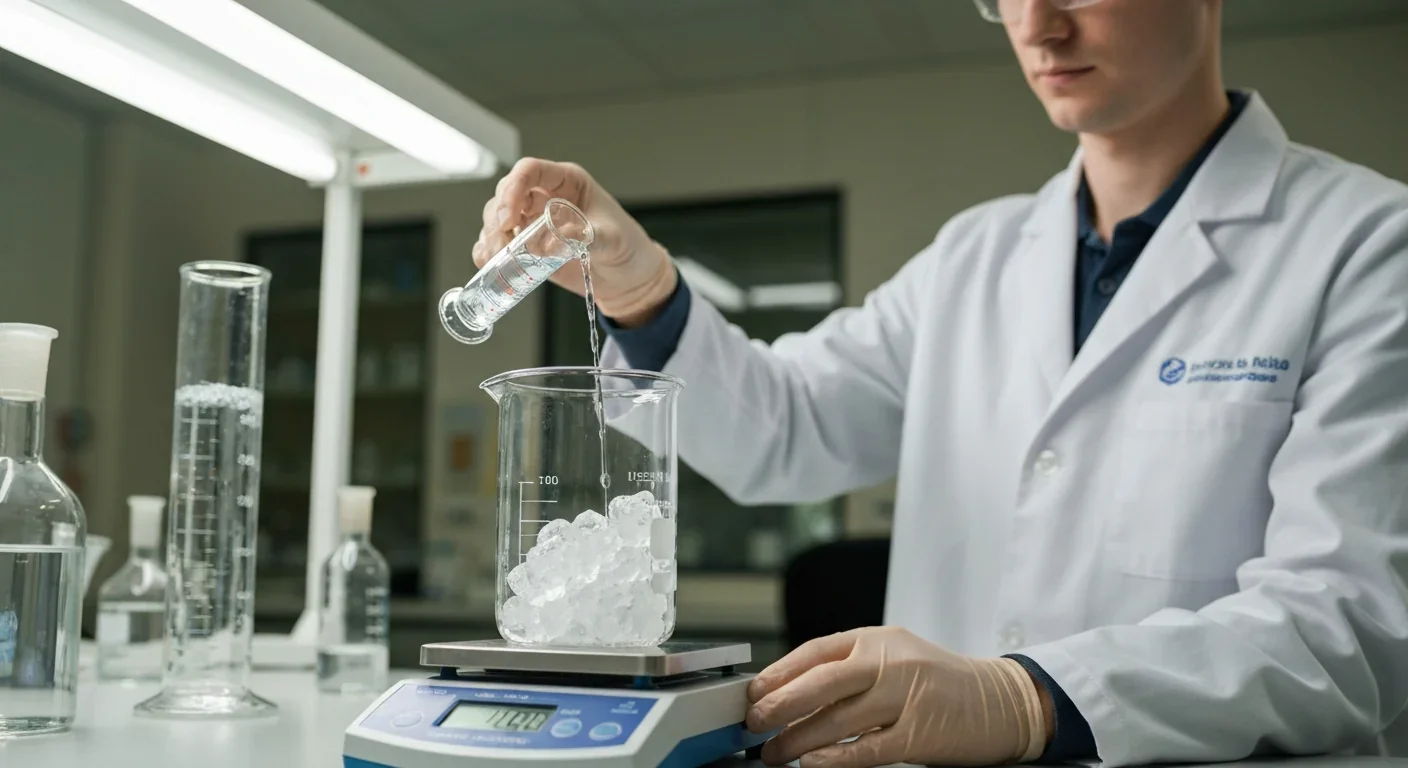
Science rarely gives you a clean answer, and Titan's interior is no exception. In late 2025, a study led by Flavio Petricca at NASA's Jet Propulsion Laboratory threw a curveball. By applying improved noise-reduction techniques to Cassini's archival Doppler data, Petricca's team uncovered something previous analyses had missed: a subtle time lag of roughly 15 hours between Saturn's tidal pull and Titan's physical response.
That delay matters enormously. If Titan had a freely sloshing global ocean, it would deform almost immediately in response to Saturn's gravity. A 15-hour lag suggests something thicker, stickier, more viscous. As Petricca put it, "Nobody was expecting very strong energy dissipation inside Titan. But by reducing the noise in the Doppler data, we could see these smaller wiggles emerge. That was the smoking gun that indicates Titan's interior is different from what was inferred from previous analyses."
The revised model proposes that instead of a global liquid ocean, Titan's interior may be dominated by slush, a mixture of ice crystals and pockets of liquid water. The ice shell, estimated at around 170 kilometres thick, operates as a stagnant-lid convective system where tidal energy gets converted to frictional heat as ice crystals grind against each other.
"Instead of an open ocean like we have here on Earth, we're probably looking at something more like Arctic sea ice or aquifers, which has implications for what type of life we might find, but also the availability of nutrients, energy and so on."
- Baptiste Journaux, University of Washington
But here's where it gets interesting for the search for life. Those pockets of liquid water within the slush could reach temperatures as high as 20°C, warm enough for a comfortable room on Earth. And because the liquid volume is smaller, any dissolved nutrients and organic molecules would be more concentrated.
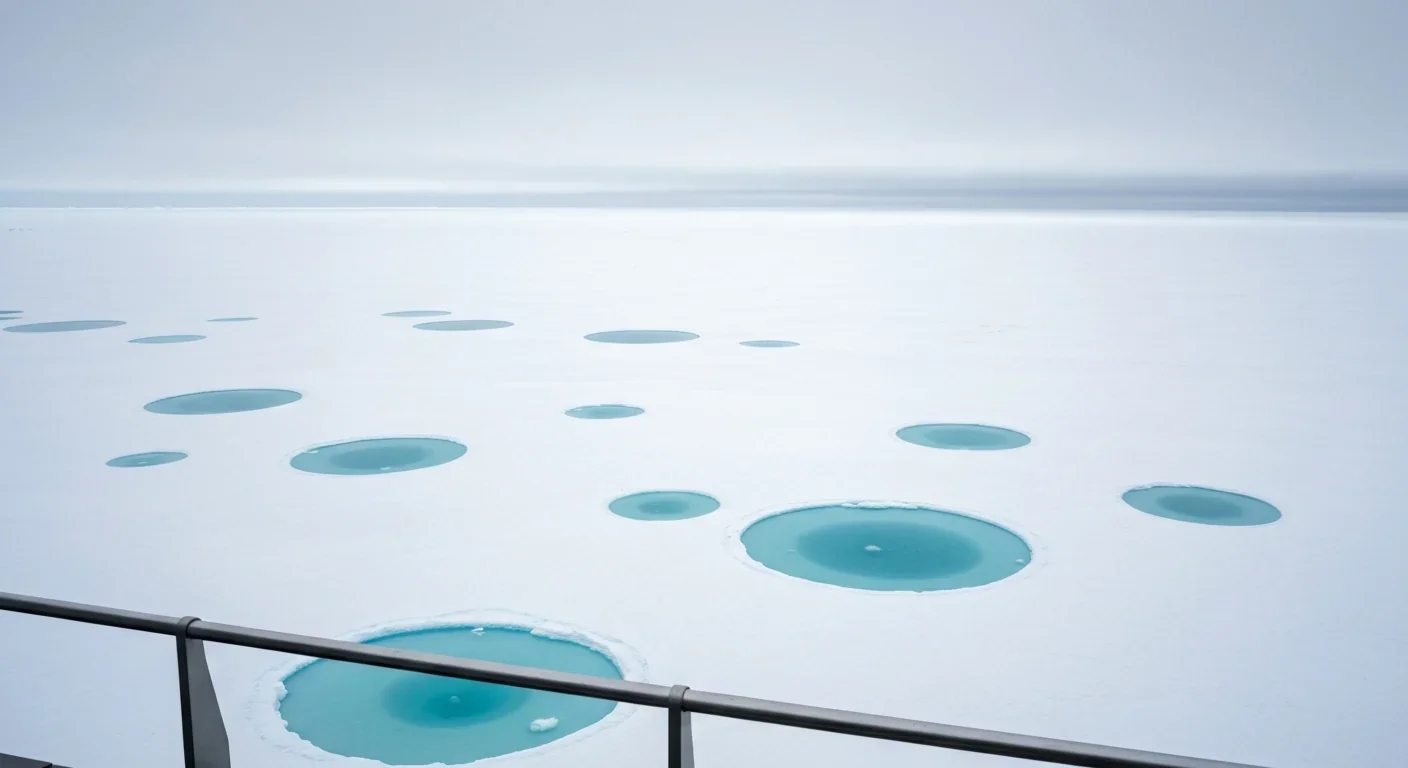
Titan isn't the only moon suspected of hiding liquid water. Jupiter's Europa and Saturn's own Enceladus both have strong evidence for subsurface oceans. But the three worlds couldn't be more different in their details.
Europa's ocean is thought to sit directly on top of a rocky seafloor, which means minerals and chemical energy can flow freely between rock and water. That's exciting for astrobiology because hydrothermal vents on Earth's ocean floors support entire ecosystems without any sunlight. Enceladus actually shoots plumes of ocean water into space through cracks in its south polar ice, and Cassini flew through those plumes and detected water, salts, and organic molecules.
Titan's situation is more complicated. Its ocean, whether global or patchy, is likely sandwiched between layers of high-pressure ice rather than resting on rock. High-pressure ice phases form at the base of a very thick water layer, potentially isolating the ocean from Titan's rocky core and limiting the mineral exchange that could fuel life.
On the other hand, Titan has something neither Europa nor Enceladus can match: a dense, nitrogen-rich atmosphere with an active hydrocarbon cycle. Methane rain, ethane rivers, and complex organic chemistry on the surface create a second liquid world that coexists above the hidden aqueous one. If cryovolcanic conduits like the candidate features Doom Mons and Sotra Patera are active, they could provide pathways for subsurface material to reach the surface, and for surface organics to filter down toward the water.
This is the question that drives everything. Could an ammonia-laced underground ocean, whether a continuous layer or a network of warm pockets, support life?
The honest answer is: we don't know, but there are reasons to think it's not impossible. Research into hypothetical biochemistries has explored ammonia as an alternative solvent since at least 1954, when the legendary biologist J.B.S. Haldane first raised the idea. Ammonia shares several chemical properties with water: it can dissolve many of the same compounds, it can form hydrogen bonds (though weaker ones), and it remains liquid over a useful temperature range.
Modified Miller-Urey experiments using ammonia, methane, and hydrogen have produced diverse amino acids, demonstrating that prebiotic chemistry can work in ammonia-rich conditions. Theoretical models suggest that ammonia-based organisms could develop membranes using nonaqueous-stable lipids, metabolise through reversible acid-base reactions, and store energy in novel phosphate-like compounds stable at low temperatures.
Liquid water pockets within Titan's slushy interior could reach temperatures as warm as 20°C and concentrate dissolved nutrients, potentially creating chemically rich micro-habitats more hospitable than a vast, dilute ocean.
But there are serious constraints. Ammonia is toxic to Earth life precisely because it disrupts the biochemistry that water-based organisms depend on. Any Titan life would need to have evolved completely different molecular machinery. The colder temperatures would slow chemical reactions dramatically, meaning that even if life exists, it might operate on timescales that would make Earth's slowest organisms look hyperactive.

The slushy interior model actually offers a silver lining here. Concentrated pockets of warm, nutrient-rich liquid could be more hospitable than a vast, dilute ocean.
"Pockets of liquid water embedded in the ice can concentrate salts and organic molecules, creating chemically rich liquid solutions. Strong convection could transport these bubbles up and down, connecting the rocky ocean floor with the organic material abundant in the surface lakes."
- Antonio Genova, Sapienza University of Rome
There's even a way to test for life without drilling through a hundred kilometres of ice. Researchers have proposed that if microbes exist in Titan's subsurface ocean, their metabolic waste products could alter the isotopic composition of gases like methane and nitrogen in the atmosphere. A distinctive isotopic fingerprint in Titan's air could be the smoking gun for life below.
NASA isn't content to speculate from a distance. The agency's Dragonfly mission, a nuclear-powered rotorcraft the size of a car, is scheduled to launch in July 2028 on a SpaceX Falcon Heavy rocket and arrive at Titan around 2034.
As principal investigator Zibi Turtle has explained, "Dragonfly isn't a mission to detect life, it's a mission to investigate the chemistry that came before biology here on Earth." The rotorcraft will exploit Titan's dense atmosphere and low gravity to fly between sites, covering approximately 115 kilometres across 20 to 30 distinct locations over its 3.3-year primary mission.
Its instrument suite includes DraMS, a mass spectrometer for identifying organic compounds; DraGNS, a gamma-ray and neutron spectrometer for measuring elemental surface composition; and DraGMet, a geophysics package that includes a seismometer capable of detecting ice-shell flexing or cryovolcanic events. That seismometer could provide the ground truth that settles the ocean-versus-slush debate once and for all.
Dragonfly will focus on Selk crater, an impact site where infrared measurements suggest cryovolcanic flows that are now water ice. Impact craters are particularly interesting because the energy of the original impact could have temporarily melted the ice, creating transient pools where surface organics mixed with subsurface water, a potential crucible for prebiotic chemistry.
The deeper significance of Titan's ammonia ocean, or ammonia slush, extends far beyond one moon orbiting one planet. For decades, the search for life beyond Earth has been guided by a simple principle: follow the water. That principle assumed liquid water requires conditions broadly similar to Earth's, temperatures above 0°C, moderate pressures, proximity to a star.
Titan demolishes that assumption. Here is a world where liquid water persists at temperatures almost a hundred degrees below zero, maintained not by stellar warmth but by the chemical ingenuity of ammonia and the mechanical energy of tidal forces. If this works on Titan, how many other worlds in our galaxy might host similar systems? Ammonia is one of the most abundant molecules in the universe. Rocky moons orbiting gas giants are common. The ingredients for Titan-style hidden oceans could be everywhere.
As Julie Castillo-Rogez, a senior research scientist at JPL, described Cassini's continuing legacy: "The gift that keeps giving." Nearly a decade after the spacecraft burned up in Saturn's atmosphere, its data is still overturning assumptions and opening new chapters in our understanding of where life might hide.
The question isn't really whether Titan's hidden ocean is habitable by Earth standards. It almost certainly isn't. The question is whether there are forms of chemistry, perhaps forms of life, that consider ammonia-water brine at -97°C perfectly comfortable. And that question is one we might actually get to answer within our lifetimes, when a nuclear-powered drone touches down on the surface of Saturn's strangest moon and begins to explore.
Project Orion was a real 1960s program to reach other stars by detonating 800 nuclear bombs behind a spacecraft. The physics worked and the engineering was feasible, but the 1963 nuclear test ban treaty killed it. It remains the most credible interstellar spacecraft ever designed.
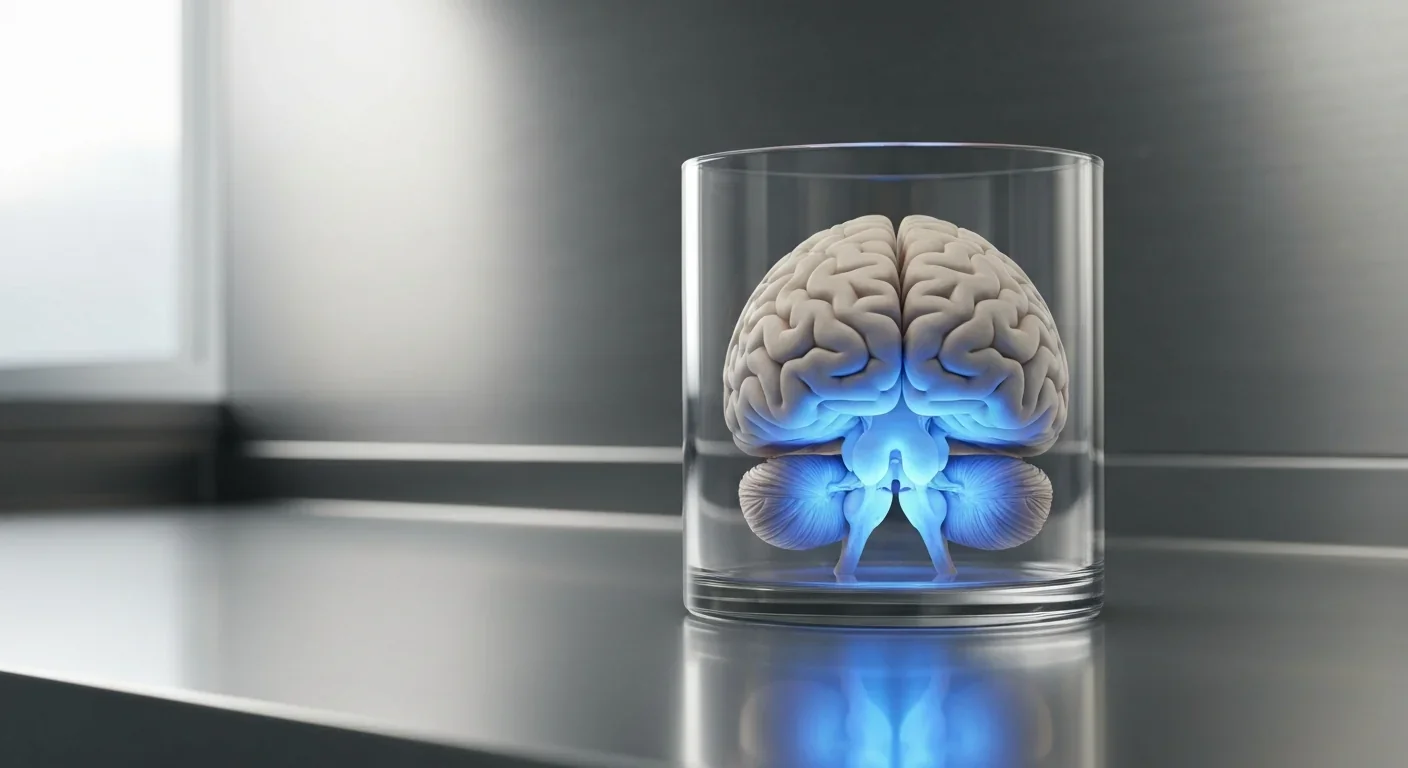
The locus coeruleus, a tiny brainstem structure, degenerates decades before Alzheimer's symptoms appear. Its loss cripples the brain's inflammation control, waste clearance, and sleep regulation. New imaging tools and noradrenergic therapies offer hope for early detection and prevention.

Research shows the sharing economy often increases total resource consumption through the Jevons paradox and rebound effects. Ride-sharing adds billions of vehicle miles, co-working spaces use more energy per worker, and diffused responsibility erodes conservation behavior. Breaking the paradox requires congestion pricing, accountability design, and matching sharing models to appropriate resource types.

Psychological reactance theory explains why banning or restricting things makes people want them more. From Prohibition to the Streisand effect to scarcity marketing, research shows that threatening people's freedom reliably backfires, and autonomy-supportive communication is far more effective.
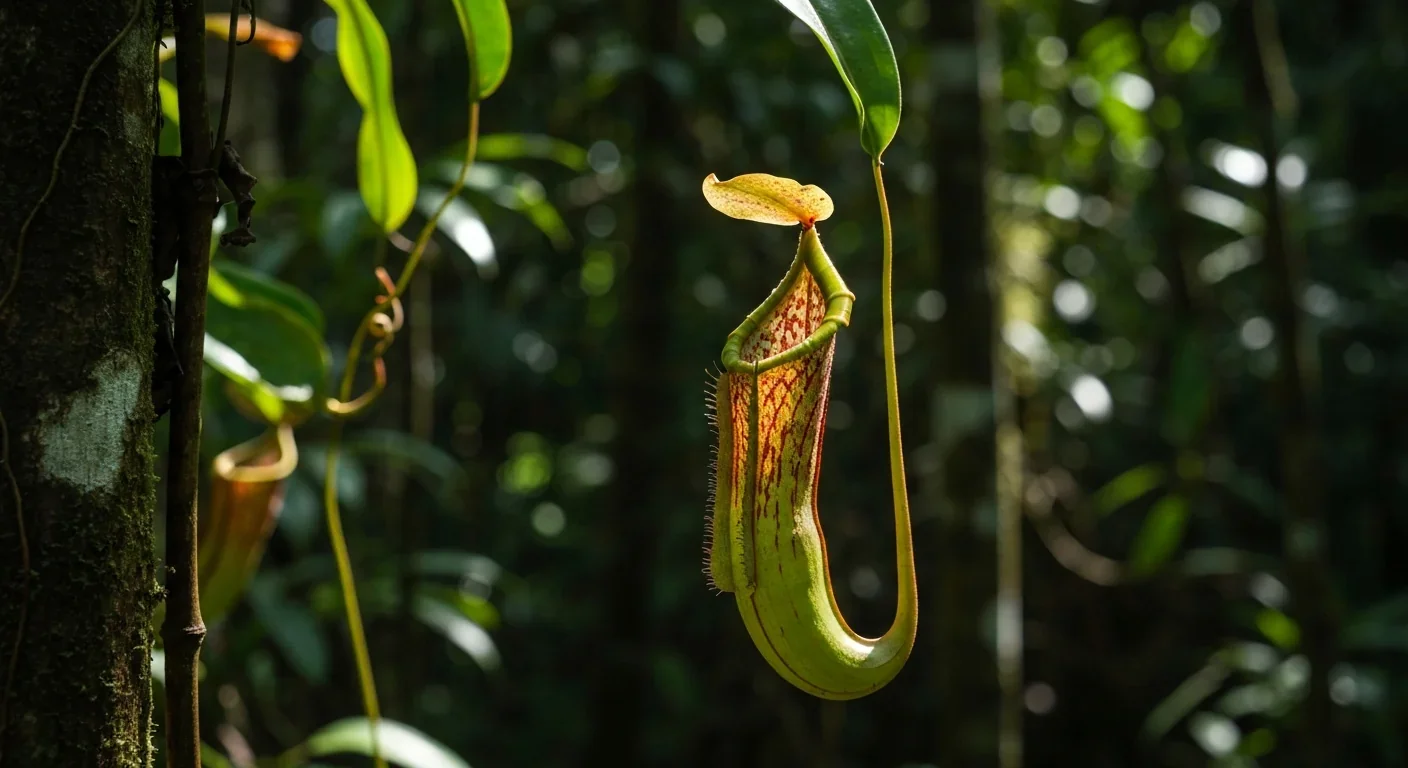
A carnivorous pitcher plant in Borneo evolved to house bats instead of trapping insects, gaining up to 95% of its nitrogen from bat guano. The plant even built an ultrasonic reflector to help bats find it, revealing that carnivory in plants is a flexible spectrum.

The quantified self movement began as a hacker-ethos pursuit of personal insight, but corporate wearables now funnel biometric data to employers, insurers, and data brokers. With 81% of Americans wrongly believing health apps are HIPAA-protected, a regulatory void enables health data to be sold for pennies while generating anxiety instead of empowerment.

CXL memory pooling lets servers dynamically share DRAM over a cache-coherent interconnect, eliminating the 40% stranded memory waste in data centers. With commercial hardware now shipping and Azure deploying CXL cloud instances, this technology promises to cut memory costs by 50% while enabling composable infrastructure.

Loading featured articles...