Project Orion: Nuclear Bomb Starship That Almost Was
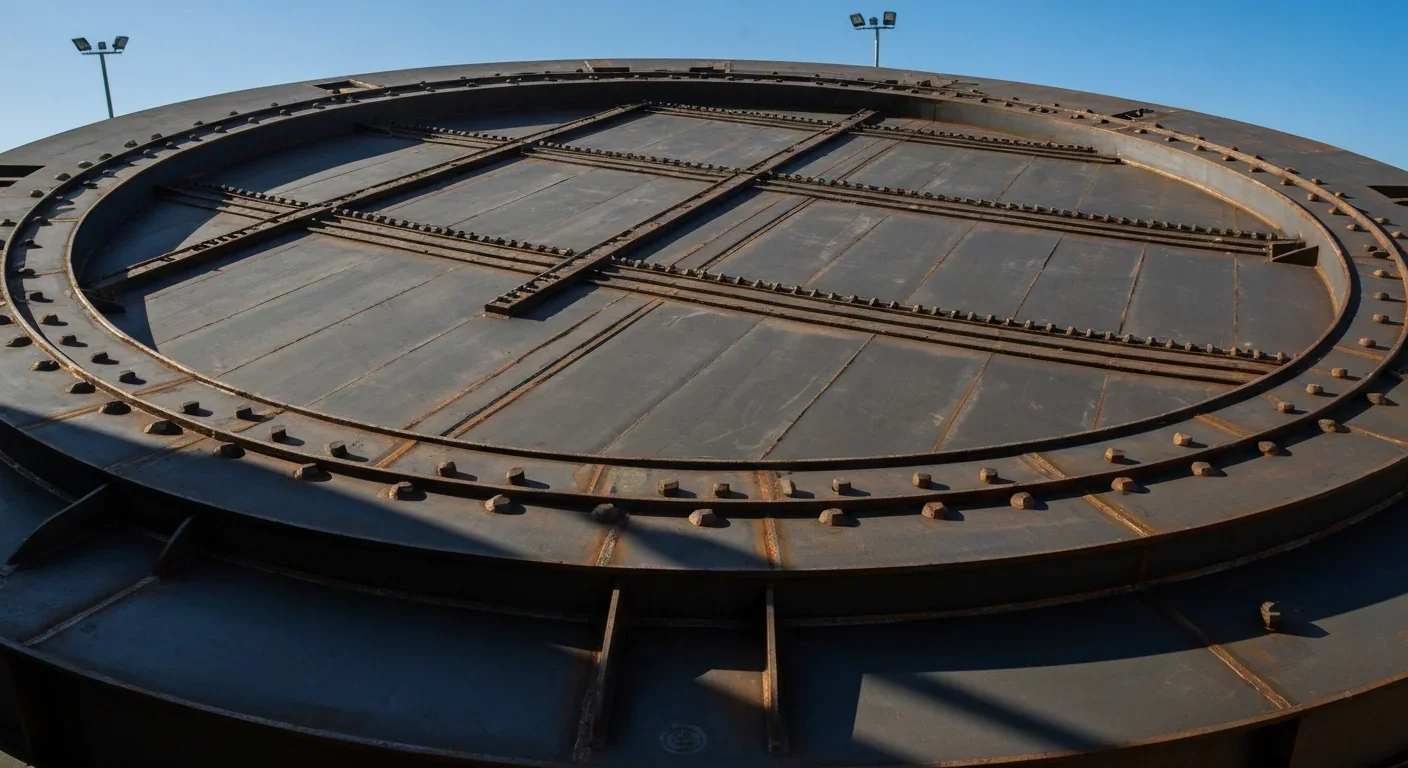
Project Orion: Nuclear Bomb Starship That Almost Was
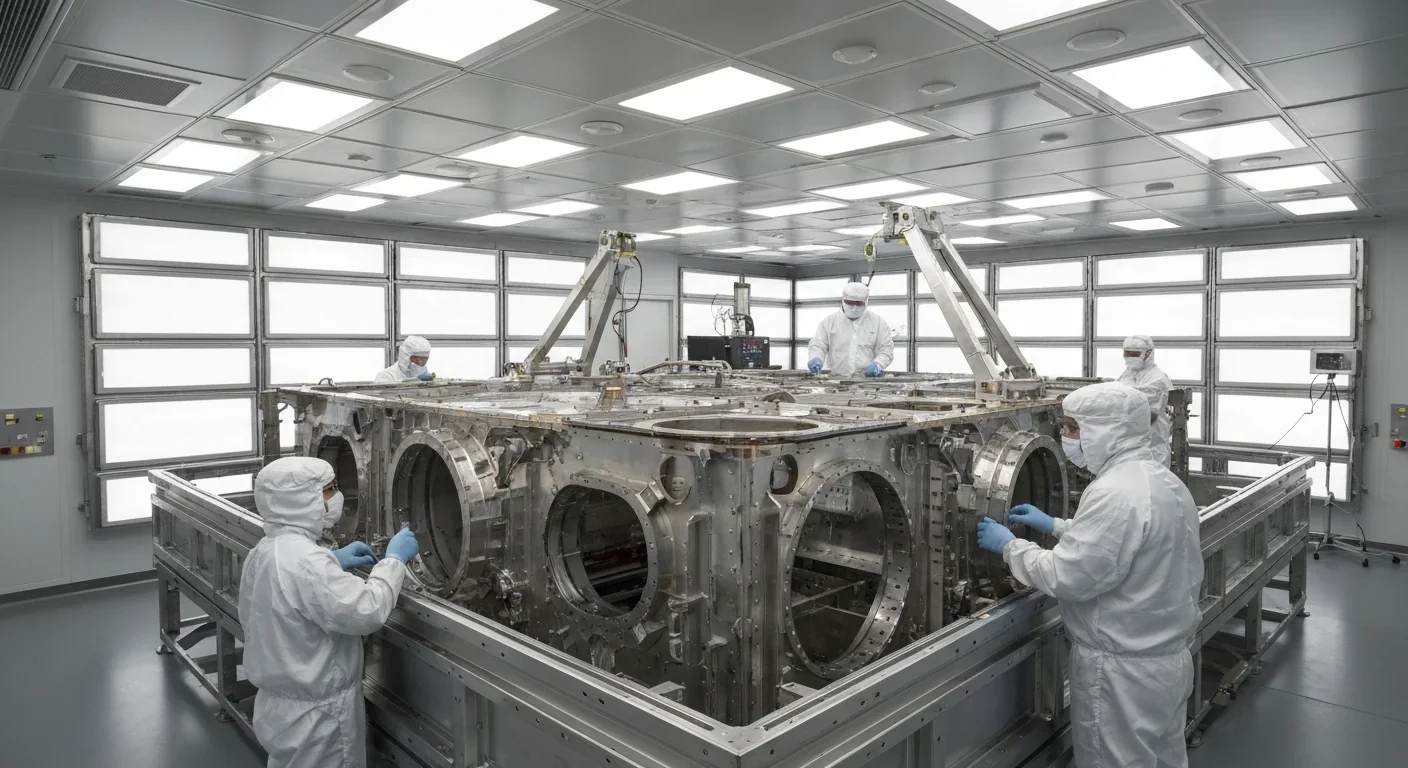
Europa Clipper Radiation Vault: Surviving Jupiter
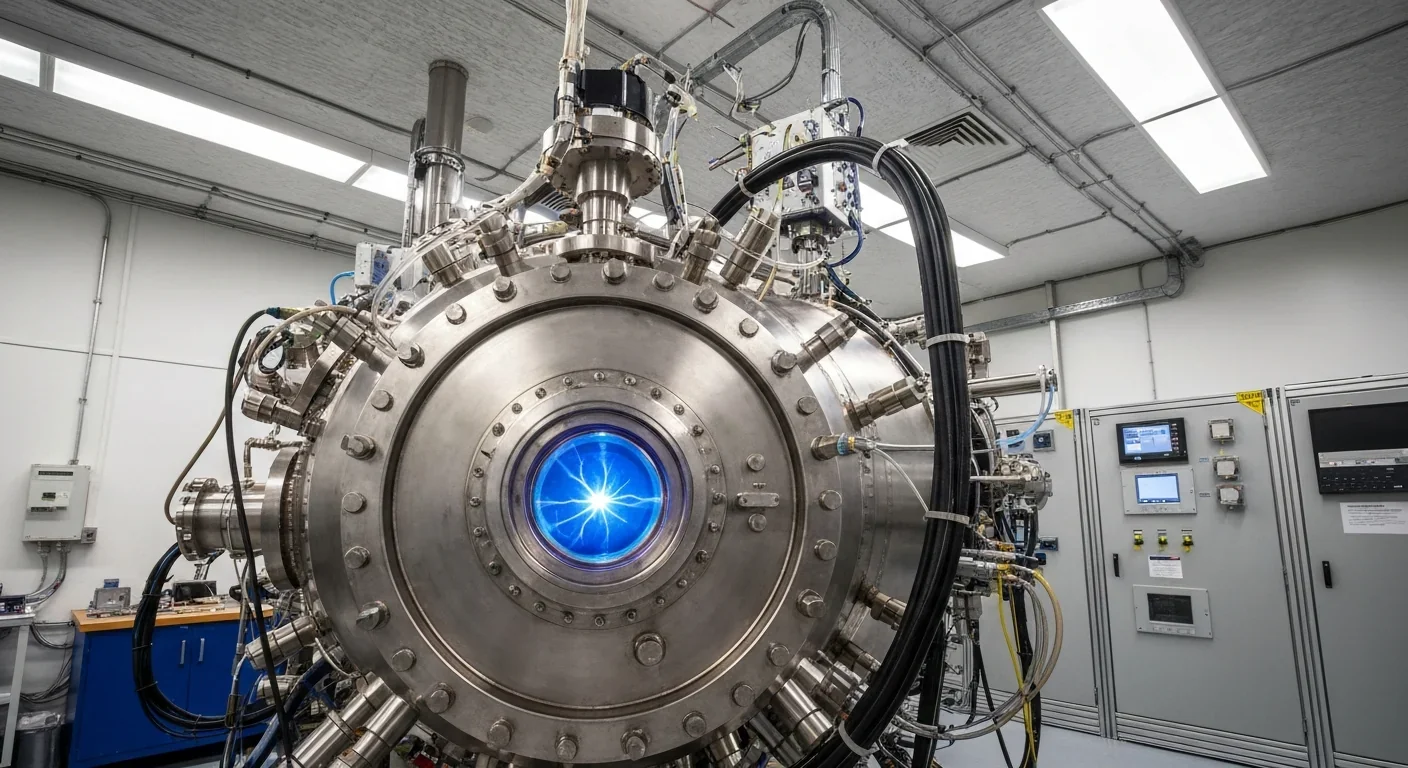
VASIMR Plasma Engine: Could It Transform Mars Travel?
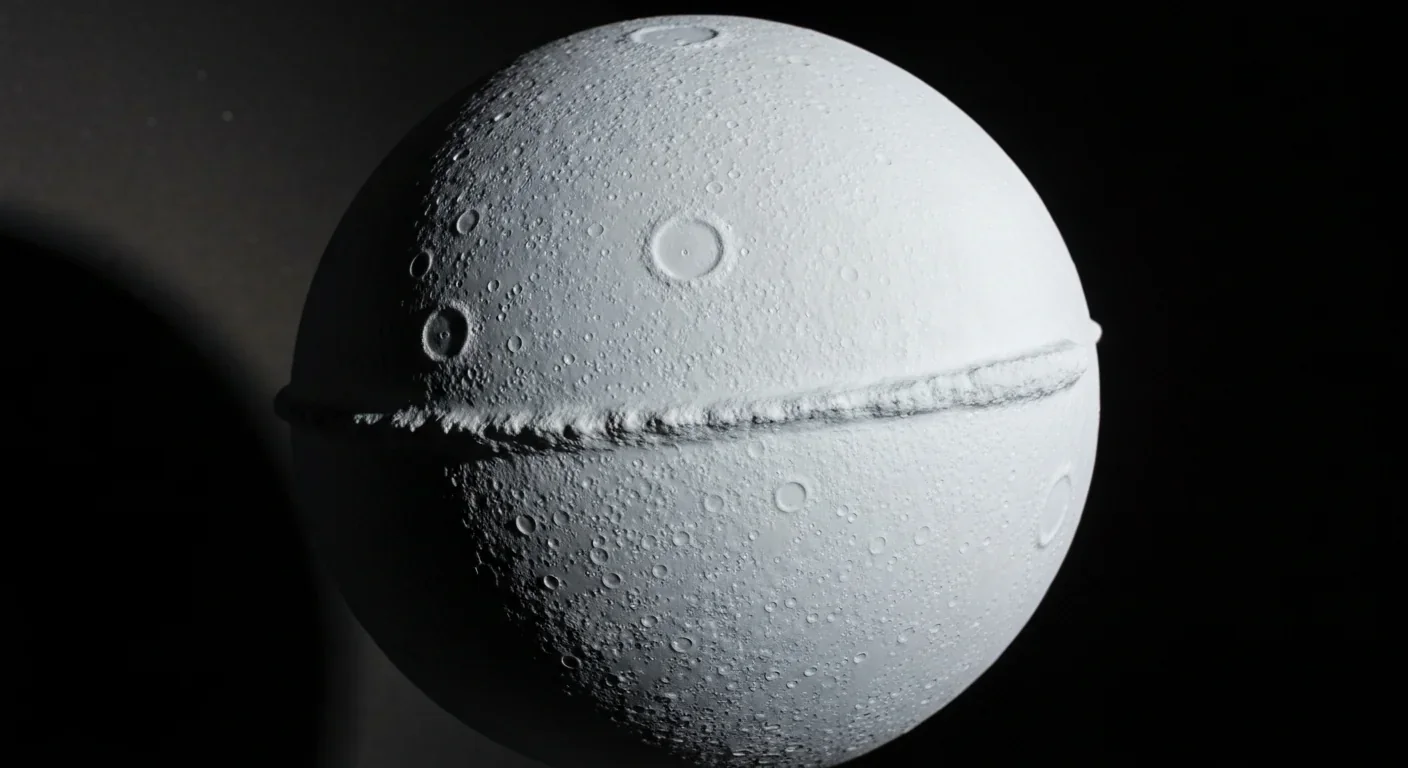
Iapetus Equatorial Ridge: The Solar System's Strangest Mountain

Titan's Hidden Ocean: Ammonia Keeps Water Liquid
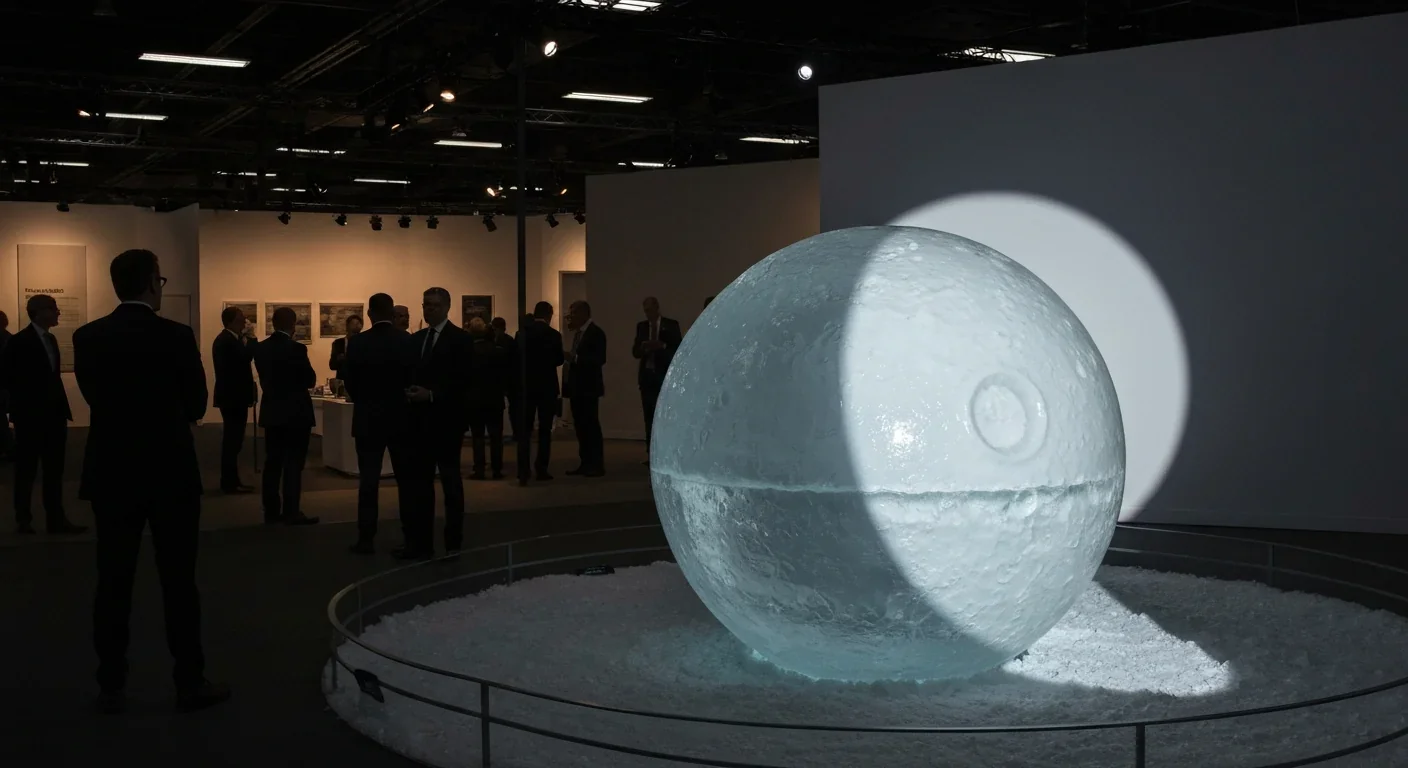
Mimas: How Saturn's Death Star Moon Hides an Ocean
TL;DR: Eta Carinae's catastrophic 1840s Great Eruption ejected 10-40 solar masses, creating the Homunculus Nebula. Light echoes and modern telescopes reveal it was likely driven by a triple-star merger, rewriting how we understand massive stellar death.
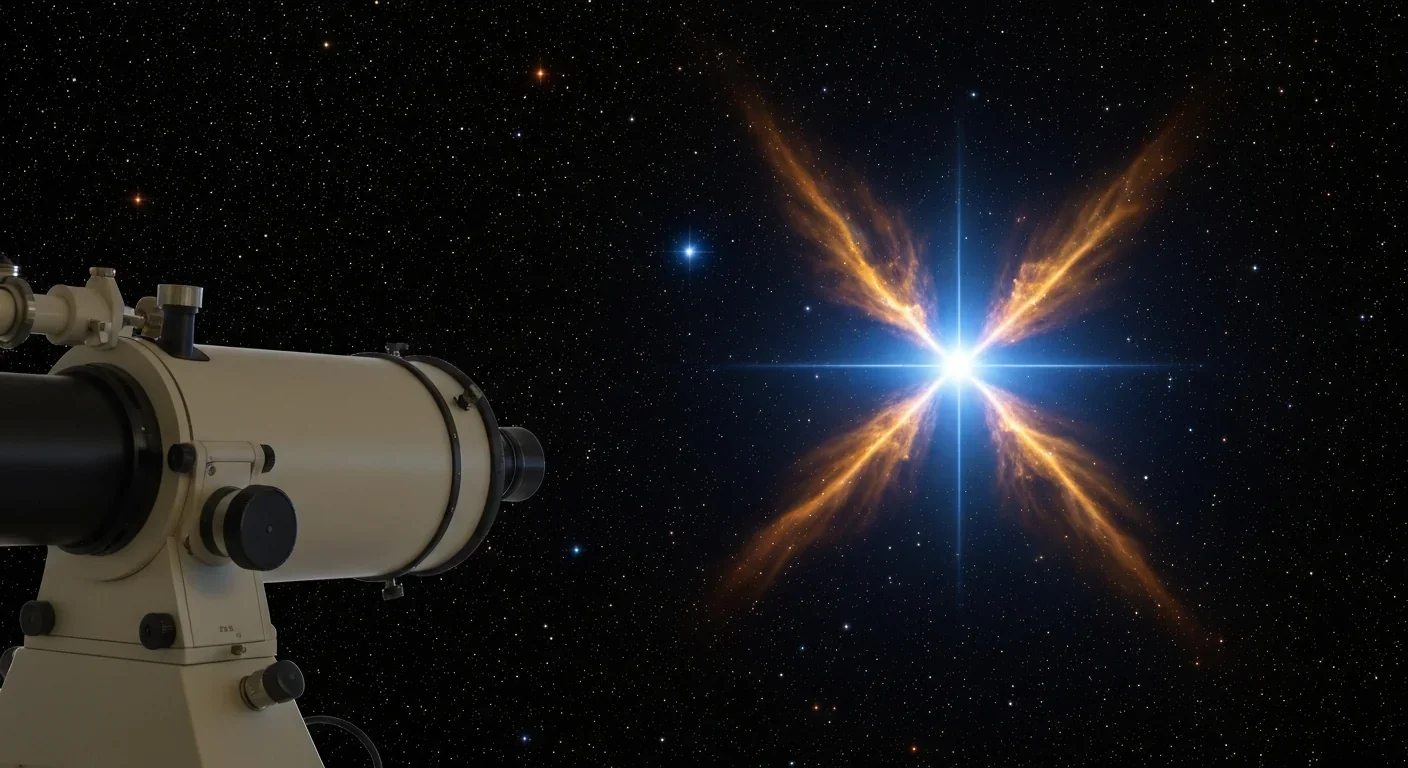
Imagine pointing a telescope at the southern sky in 1843 and watching a star 7,500 light-years away suddenly rival Sirius, the brightest star visible from Earth. That's exactly what astronomers witnessed when Eta Carinae, a stellar monster roughly 100 times the mass of our Sun, threw off between 10 and 40 solar masses of material in a violent eruption that lasted two decades. The star didn't explode. It didn't die. It just shed a significant chunk of itself and kept burning.
Nearly two centuries later, that eruption is still teaching us things we never expected about how the universe's most massive stars live, convulse, and eventually meet their end.
Eta Carinae sits inside the Carina Nebula, blazing with a luminosity roughly five million times that of our Sun. It's not a single star but a massive binary system: a primary of about 90 to 100 solar masses locked in a highly eccentric 5.54-year orbit with a companion of roughly 30 solar masses, likely an O-type or Wolf-Rayet star.
The primary belongs to a rare class called luminous blue variables, or LBVs. These are massive, evolved stars that display unpredictable changes in brightness and undergo extreme mass-loss events. Only a few dozen are known in our entire galaxy. LBVs live near the Eddington limit, the theoretical boundary where a star's outward radiation pressure balances its inward gravitational pull. Push past that limit and the star starts shedding its outer layers at extraordinary rates.
Between 1837 and 1858, Eta Carinae did exactly that. During its Great Eruption, it ejected material at velocities reaching 650 kilometers per second, creating the Homunculus Nebula, a spectacular hourglass-shaped cloud now about one light-year across. At the eruption's peak in 1843, the star reached an apparent magnitude of roughly -1.5, making it briefly the second-brightest star in the entire night sky.
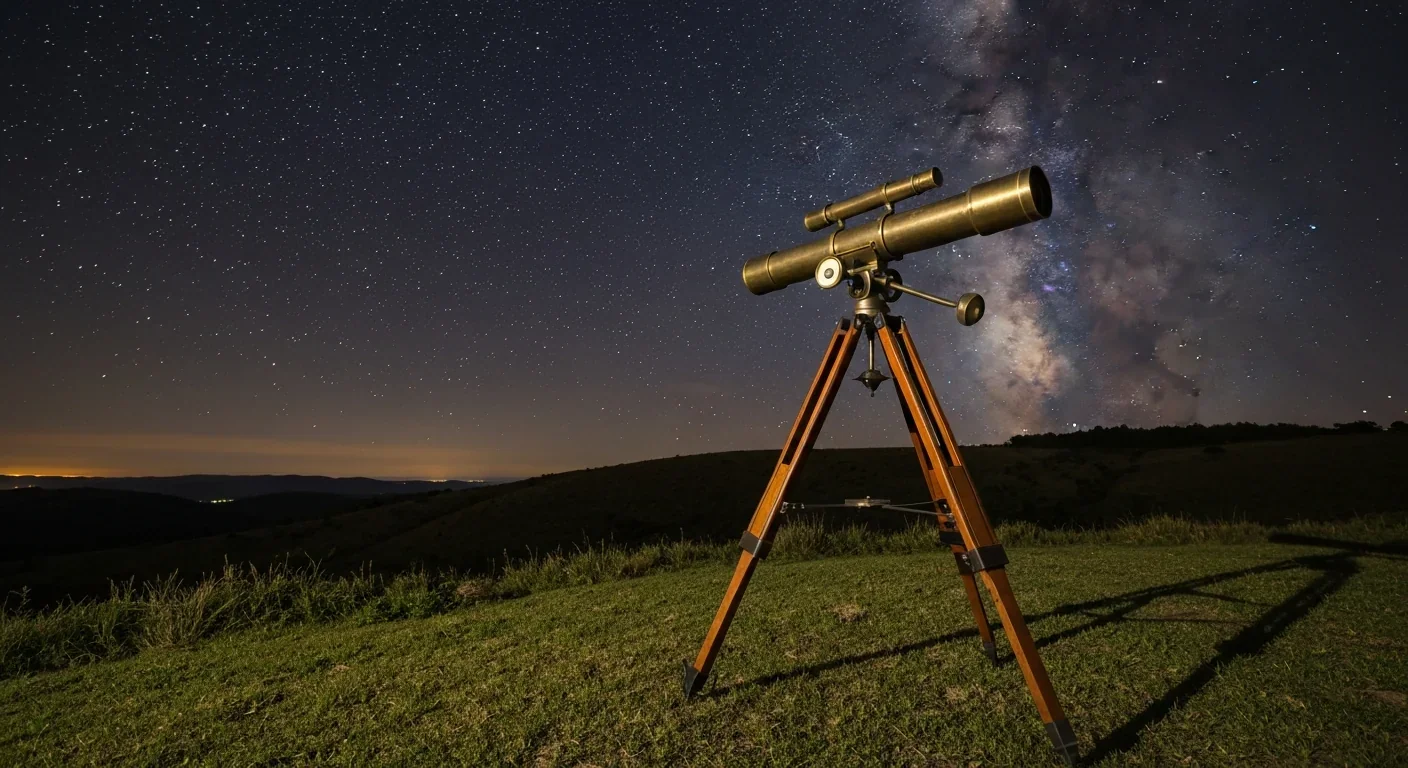
The Great Eruption was one of the most dramatic astronomical events ever recorded by human observers. Sir John Herschel, stationed at the Cape of Good Hope in South Africa, documented the star's remarkable brightening in the late 1830s. By March 1843, Eta Carinae had surged to match Sirius in brightness, despite being more than a thousand times farther away.
What Herschel and his contemporaries couldn't know was that they were watching a star lose between 10 and 40 times the mass of our Sun in real time. Regular stellar winds strip mass from stars at rates of roughly 0.0001 to 0.001 solar masses per year. The Great Eruption demanded rates approaching 0.5 solar masses annually, hundreds of times higher than any normal wind could deliver. Something far more violent was at work.
During the Great Eruption, Eta Carinae shed mass at a rate 500 times greater than what any normal stellar wind can produce, equivalent to losing the mass of our entire Sun every two years.
After 1843, the star slowly faded from naked-eye visibility as dust condensed from the expelled material. By the early 20th century, it had dimmed to around 8th magnitude, invisible without a telescope. But the cloud of gas it had thrown off kept expanding, and the story was far from over.
The star erupted again in 1890, producing a smaller structure called the Little Homunculus, nested inside the larger nebula. This lesser eruption ejected perhaps 0.1 to 0.5 solar masses of material, confirming that Eta Carinae's instability was not a one-time event but an ongoing pattern of violent mass shedding.
The 19th-century observations gave us something invaluable: a precise timeline. By tracing the Homunculus's expansion backward, astronomers confirmed that the nebula's material originated from the 1840s eruption. The thin shells of the bipolar lobes suggest that most of the mass was ejected within just five years, making the event even more concentrated and violent than the full two-decade light curve implies.
Historical records also reveal that Eta Carinae was not entirely quiet before the Great Eruption. A notable brightening in 1827 saw it reach magnitude 1, hinting at instabilities building for years before the main event. These pre-eruption fluctuations now look like early warning signs of the catastrophe to come.

In 2003, astronomers detected light echoes from the Great Eruption. Light from the original event had bounced off distant dust clouds in the Carina Nebula and was just now reaching Earth, like a cosmic instant replay delayed by nearly two centuries.
This technique allowed spectroscopic analysis of the eruption itself, something no 19th-century instrument could have accomplished. The results were surprising. The echo spectra revealed a relatively cool photosphere, around 5,000 to 8,000 Kelvin, resembling an F-type or G-type supergiant rather than the hot, blue star we see today. This was significantly cooler than super-Eddington wind models predicted.
Even more striking, the ejecta velocities measured from the echoes exceeded 10,000 kilometers per second in some components, roughly 20 times faster than astronomers anticipated.
"We see these really high velocities in a star that seems to have had a powerful explosion, but somehow the star survived."
- Nathan Smith, University of Arizona
These velocities overlap with those seen in actual supernovae, yet Eta Carinae is still here. The light echo data pointed toward something explosive rather than a steady, radiation-driven wind. The easiest explanation, Smith argued, involved "a shock wave that exits the star and accelerates material to very high speeds."
Three competing models attempt to explain what drove the Great Eruption, and the truth may involve elements of all three.
The super-Eddington wind model proposes that the star's luminosity exceeded its Eddington limit, driving intense radiation-powered winds capable of stripping mass at the required rates. This model explains why only the most luminous stars undergo such events. But it struggles with the cool temperatures and explosive velocities revealed by light echoes.
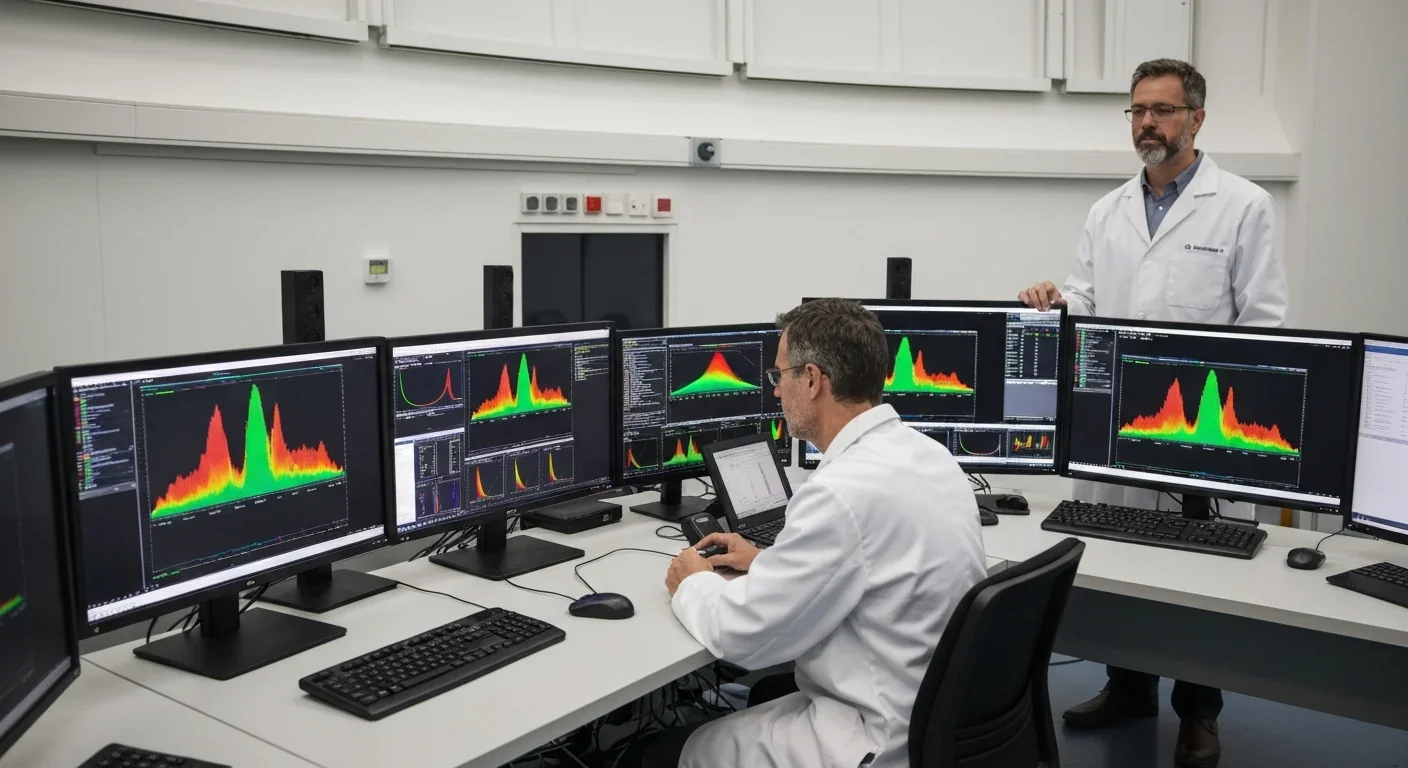
The binary interaction model highlights the role of Eta Carinae's massive companion. The 5.54-year orbit has an eccentricity of roughly 0.9, meaning the two stars pass extremely close during periastron. Chandra X-ray observations have mapped the wind-wind collision zone between the stars, revealing shock fronts reaching temperatures of a million degrees. Binary interaction could trigger enhanced mass loss at specific orbital phases and help shape the bipolar geometry of the ejecta.
The triple-star merger model, supported by NASA-funded research, proposes that Eta Carinae originally began as a triple system. The most massive star expanded and dumped material onto its close companion. The donor star then migrated outward and exchanged orbits with a third, more distant star. That third star fell inward and merged with the already-bloated primary, producing the explosive bipolar ejection. The surviving companion settled into its current elongated orbit.
Recent hydrodynamical simulations have successfully reproduced the Homunculus's shape and size using this triple-merger framework. The model even explains the bullet-like structures observed outside the main nebula, produced by violent grazing encounters centuries before the final merger.
"Our combination of simulations successfully reproduces the main features of Eta Carinae's surrounding nebula and provides strong support to the stellar-merger-in-a-triple scenario."
- Eta Carinae simulation research team, SciTechDaily
Mounting evidence points to binary dynamics as a central ingredient. Population studies show that roughly 60% of known LBVs exist in binary or multiple-star systems. Nathan Smith's research argues that LBVs are "a phenomenon associated with binary star evolution", a paradigm shift that challenges the older view of LBVs as a simple transitional phase in single-star evolution.
The Hubble Space Telescope and the Chandra X-ray Observatory have watched Eta Carinae for decades, building a multi-wavelength portrait that no single instrument could provide. Hubble's visible and ultraviolet images reveal the expanding Homunculus in stunning detail, with proper-motion studies spanning 40 years giving a kinematic age of roughly 180 years. Chandra's X-ray imaging shows how the colliding winds between the binary stars create a hot, turbulent shock zone that varies dramatically with the 5.54-year orbital cycle.
A bright ring of X-ray emissions surrounds the Homunculus, likely caused by the expanding nebula colliding with interstellar gas at high speed. A second outer X-ray shell has also been discovered, matching the nebula's shape and suggesting the Great Eruption was a two-stage event: first an ejection of low-density gas at high speed, followed by denser gas and dust at lower speed forming the main nebula.
The James Webb Space Telescope has opened a new infrared window. JWST's MIRI instrument, operating at 10 to 20 microns, has detected prominent emission features from amorphous silicate dust grains within the Homunculus. The Carina Nebula was among the first five cosmic objects observed by JWST, and its infrared capabilities reveal structures completely invisible in optical light.
Infrared coronagraphy from the Gemini South telescope has peeled back the Homunculus's dusty outer layers, revealing nested ejecta shells from multiple eruptions. As John Martin of the University of Illinois described it: "The Gemini images have allowed us to perform something akin to an autopsy by peeling away the obscuring, outer dusty skin and giving us a glimpse of what's inside."
Studying Eta Carinae is inherently international. The star is visible only from the Southern Hemisphere, focusing attention on observatories in Chile, Australia, and South Africa. The light-echo discoveries used the Magellan and Gemini telescopes in Chile, while Herschel's original observations were made from the Cape of Good Hope.
Space-based observatories have democratized access to the data. Hubble, Chandra, Spitzer, and JWST provide observations to research teams worldwide. The star's orbital period creates a natural rhythm for coordinated campaigns, with international collaborations timing their studies to capture periastron passages when binary interaction reaches its most extreme.
Light echoes act as natural time machines, letting 21st-century instruments perform spectroscopy on a 180-year-old explosion. No other technique in astronomy offers this kind of temporal reach.
The triple-merger simulations connect Eta Carinae to other extreme objects across the universe. Researchers have drawn parallels between the merger scenario and the formation of SN 1987A's triple-ring nebula, suggesting that similar dynamics may produce the massive black holes detected by gravitational-wave observatories.
Understanding LBV eruptions carries implications well beyond our galaxy. Supernova impostors, the class of transients to which Eta Carinae's eruption belongs, are routinely discovered in extragalactic surveys. Each one is a potential test case for the models being refined on our own nearby stellar laboratory, giving researchers a way to study extreme stellar death across cosmic distances.
Eta Carinae will almost certainly end its life as a supernova, and possibly something even more dramatic. With a primary mass near 100 solar masses and ongoing instability, some researchers classify it as a potential hypernova or gamma-ray burst progenitor. When it finally collapses, the explosion could be visible in daylight and would bathe the surrounding Homunculus Nebula in radiation that transforms our understanding of supernova physics.
The good news is that at 7,500 light-years, Eta Carinae is far enough away to pose no direct threat to Earth. A gamma-ray burst would need to be aimed directly at us to cause harm, and the star's orientation makes that unlikely. But the scientific payoff of watching this star's final act, whenever it comes, will be enormous.
For now, Eta Carinae remains the most accessible laboratory for studying extreme stellar mass loss. Every new observation from Hubble, Chandra, JWST, and ground-based telescopes sharpens our understanding of how the universe's most massive stars shed their envelopes, reshape their surroundings, and set the stage for their own spectacular destruction. The Homunculus Nebula is a fossil record written in gas and dust, and after nearly two centuries, we're still learning to read it.
Project Orion was a real 1960s program to reach other stars by detonating 800 nuclear bombs behind a spacecraft. The physics worked and the engineering was feasible, but the 1963 nuclear test ban treaty killed it. It remains the most credible interstellar spacecraft ever designed.

The locus coeruleus, a tiny brainstem structure, degenerates decades before Alzheimer's symptoms appear. Its loss cripples the brain's inflammation control, waste clearance, and sleep regulation. New imaging tools and noradrenergic therapies offer hope for early detection and prevention.

Research shows the sharing economy often increases total resource consumption through the Jevons paradox and rebound effects. Ride-sharing adds billions of vehicle miles, co-working spaces use more energy per worker, and diffused responsibility erodes conservation behavior. Breaking the paradox requires congestion pricing, accountability design, and matching sharing models to appropriate resource types.

Psychological reactance theory explains why banning or restricting things makes people want them more. From Prohibition to the Streisand effect to scarcity marketing, research shows that threatening people's freedom reliably backfires, and autonomy-supportive communication is far more effective.
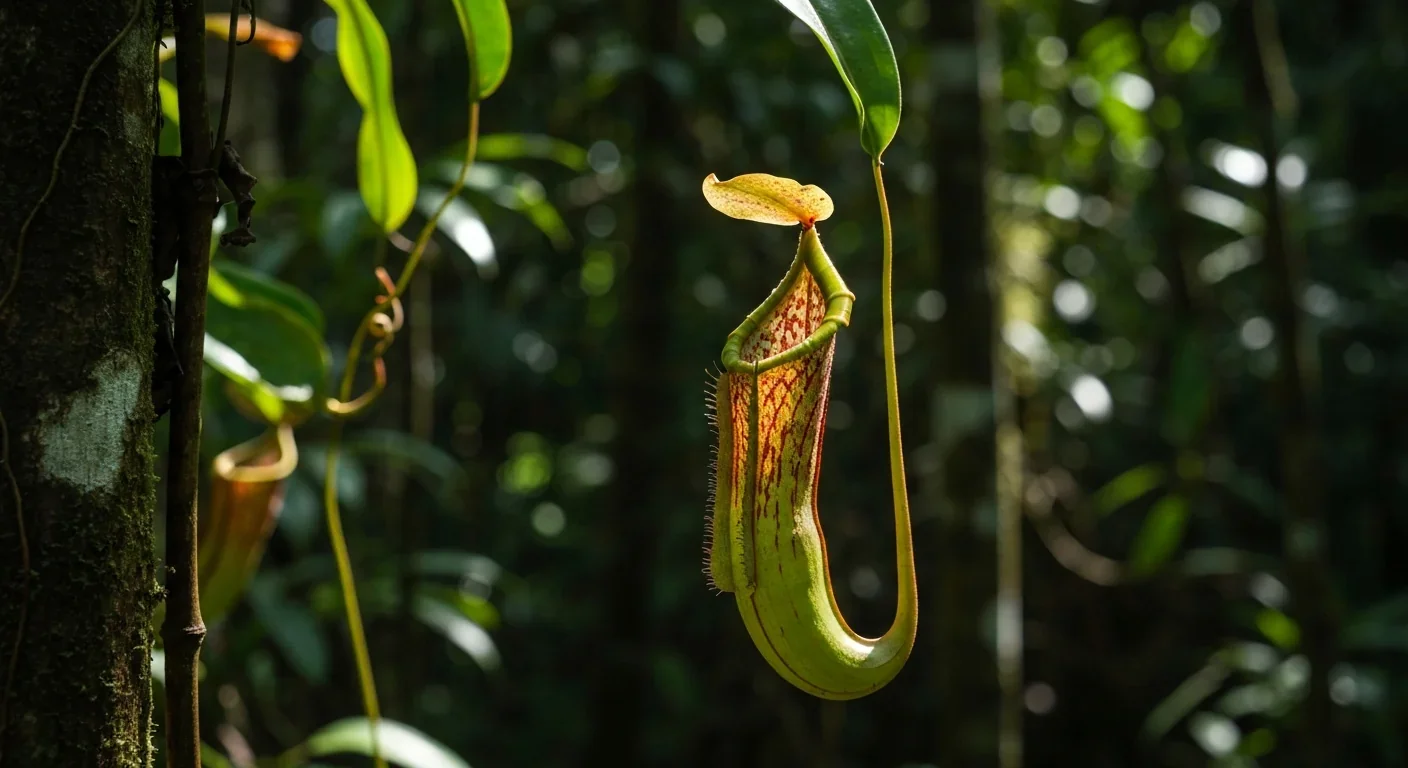
A carnivorous pitcher plant in Borneo evolved to house bats instead of trapping insects, gaining up to 95% of its nitrogen from bat guano. The plant even built an ultrasonic reflector to help bats find it, revealing that carnivory in plants is a flexible spectrum.

The quantified self movement began as a hacker-ethos pursuit of personal insight, but corporate wearables now funnel biometric data to employers, insurers, and data brokers. With 81% of Americans wrongly believing health apps are HIPAA-protected, a regulatory void enables health data to be sold for pennies while generating anxiety instead of empowerment.

CXL memory pooling lets servers dynamically share DRAM over a cache-coherent interconnect, eliminating the 40% stranded memory waste in data centers. With commercial hardware now shipping and Azure deploying CXL cloud instances, this technology promises to cut memory costs by 50% while enabling composable infrastructure.

Loading featured articles...