Project Orion: Nuclear Bomb Starship That Almost Was
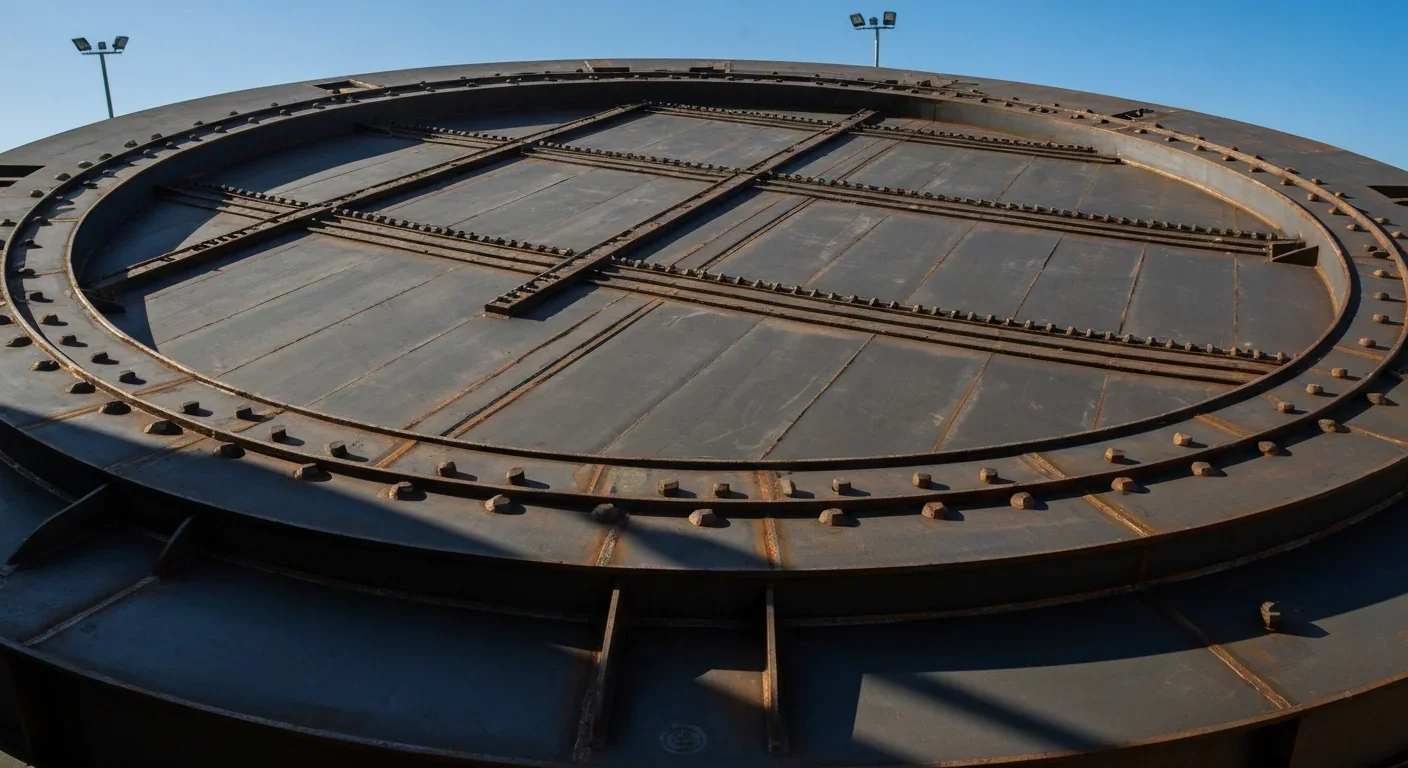
Project Orion: Nuclear Bomb Starship That Almost Was
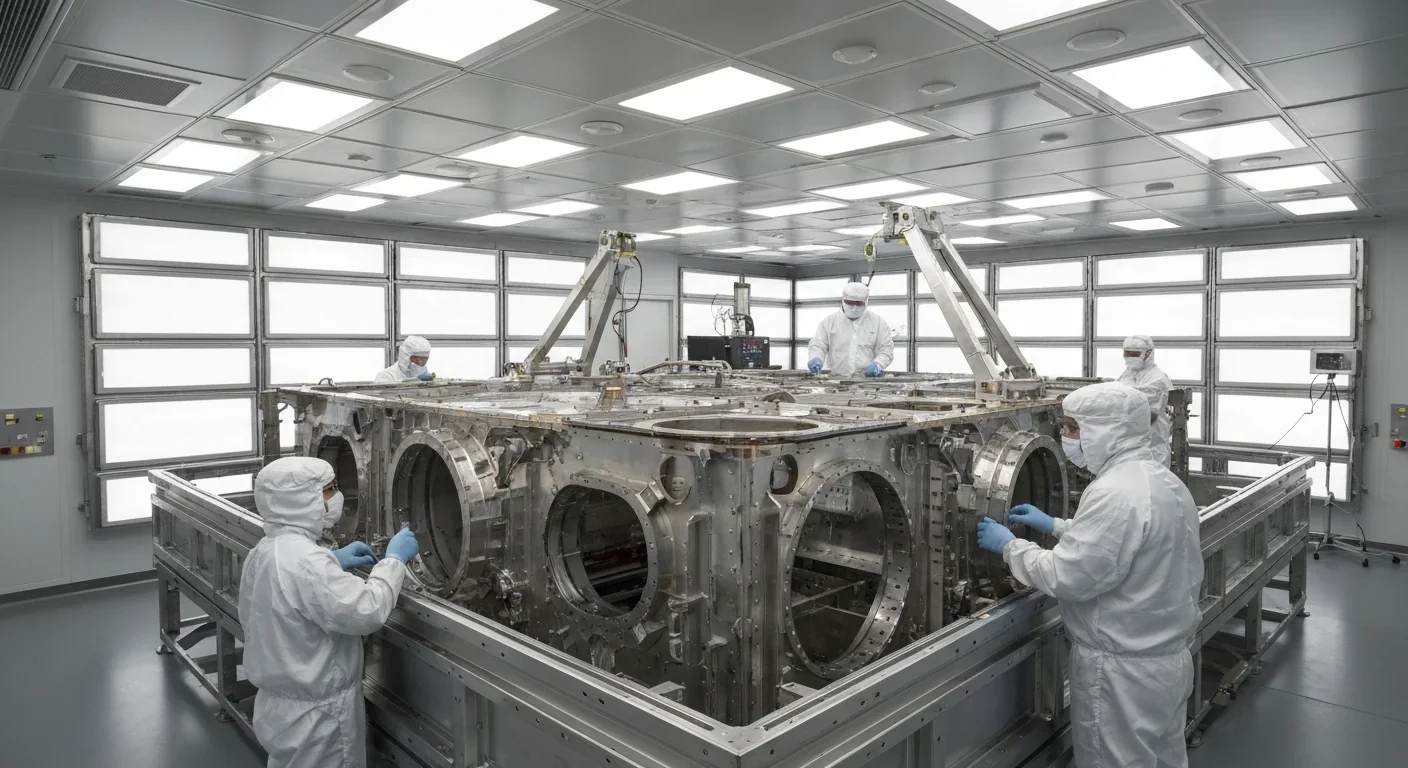
Europa Clipper Radiation Vault: Surviving Jupiter
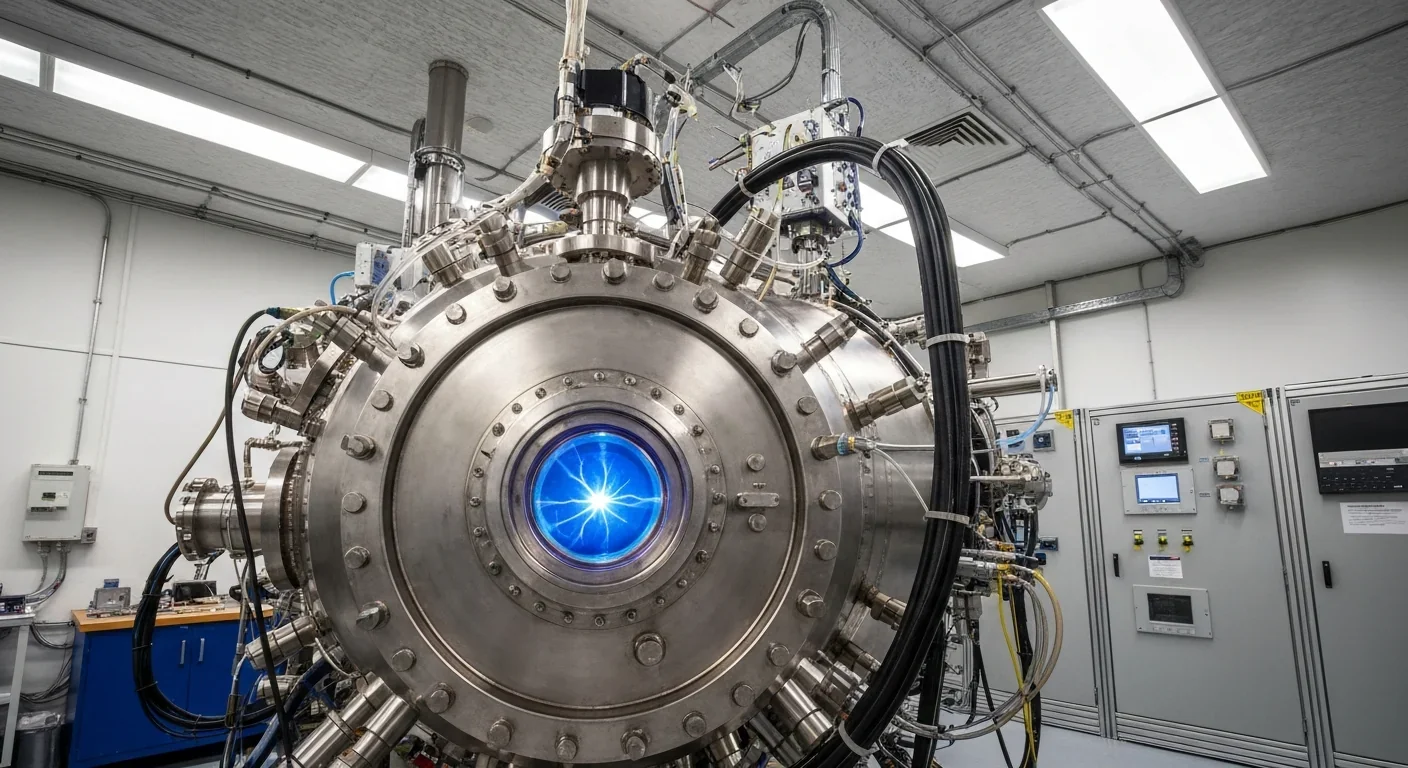
VASIMR Plasma Engine: Could It Transform Mars Travel?
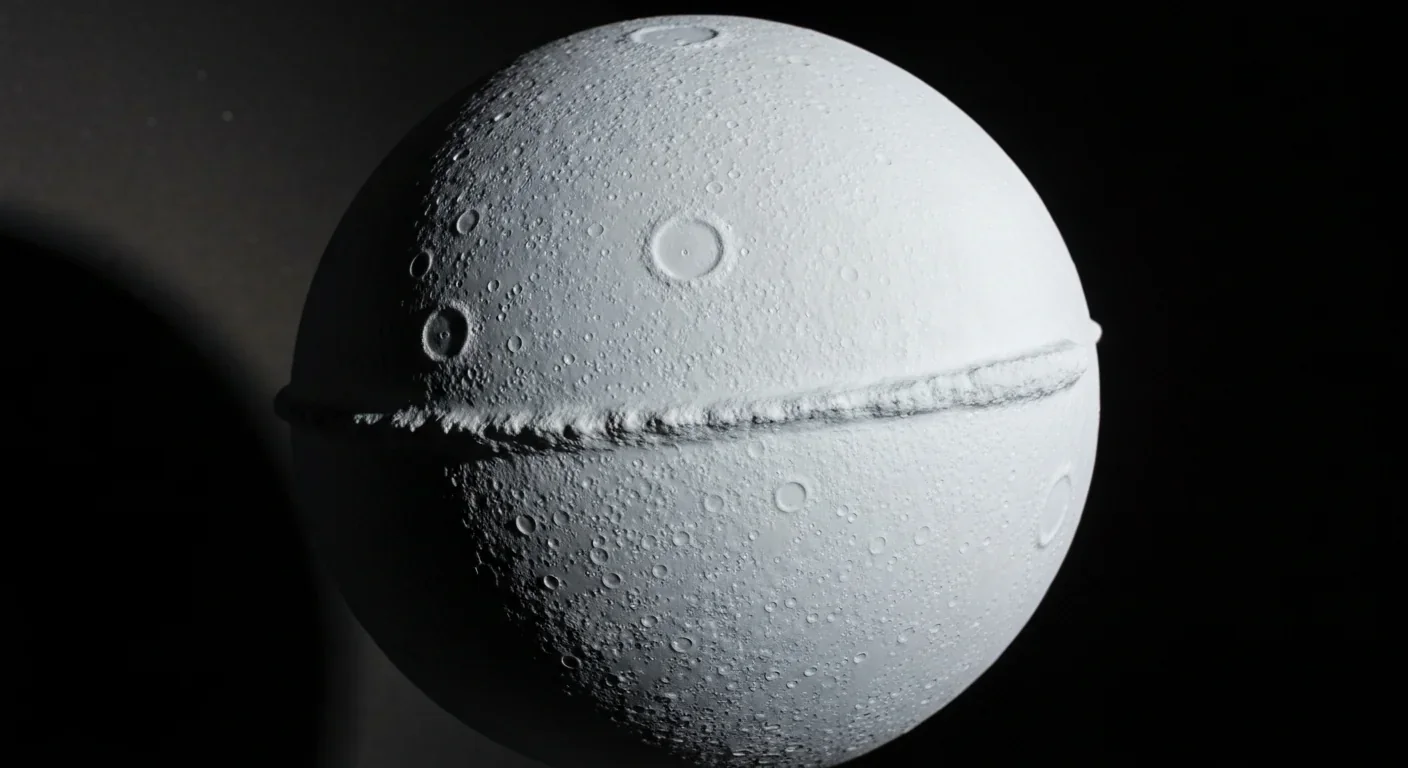
Iapetus Equatorial Ridge: The Solar System's Strangest Mountain

Titan's Hidden Ocean: Ammonia Keeps Water Liquid
Mimas: How Saturn's Death Star Moon Hides an Ocean
TL;DR: Orbital refueling depots will transform space travel from expensive one-way expeditions into affordable infrastructure, enabling Mars missions, satellite life extension, and a new space economy built on fuel stations in orbit.
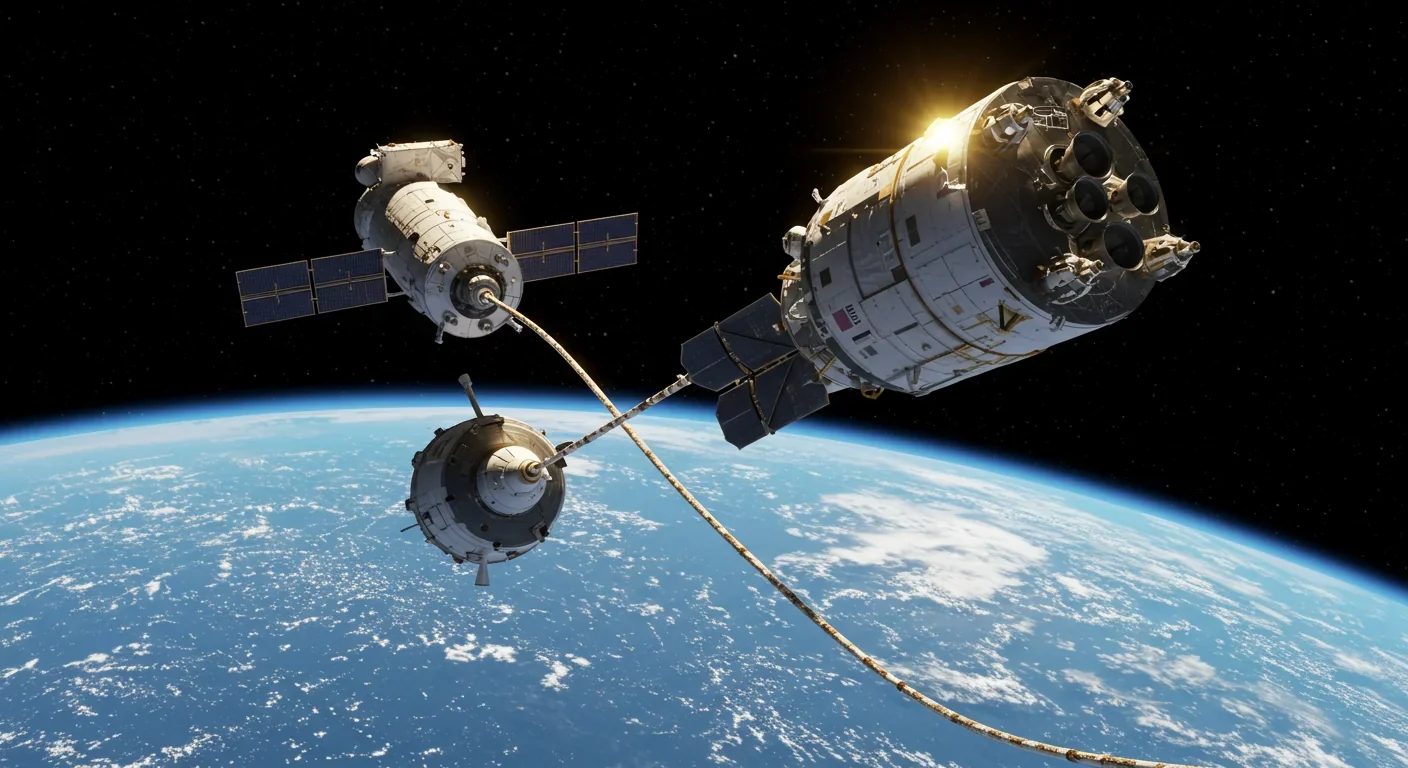
In 2025, a SpaceX Starship will attempt something that sounds almost mundane: refuel in orbit. But this simple act could unlock the solar system in ways we've barely imagined. Without orbital refueling, a Mars mission would cost five times more, according to Elon Musk's estimates. With it, we're not just going farther - we're fundamentally rewriting the economics of space travel.
Here's the problem: rockets today are basically flying fuel tanks that happen to carry a payload. The vast majority of launch mass is propellant burned just getting off Earth. Once you're in orbit, you're stuck with whatever fuel remains. That limits where you can go and what you can do. Orbital refueling depots change that equation entirely. They're the infrastructure that transforms space from a series of one-way trips into a connected frontier.
The concept is straightforward, but the execution is wickedly complex. Spacecraft dock with a depot in low Earth orbit, connect fuel lines, and transfer cryogenic propellants - typically liquid oxygen and either liquid hydrogen or methane. Think of it like aerial refueling for fighter jets, except the "air" is a vacuum, the fuel is kept at temperatures near absolute zero, and there's no gravity to help liquids flow in the right direction.
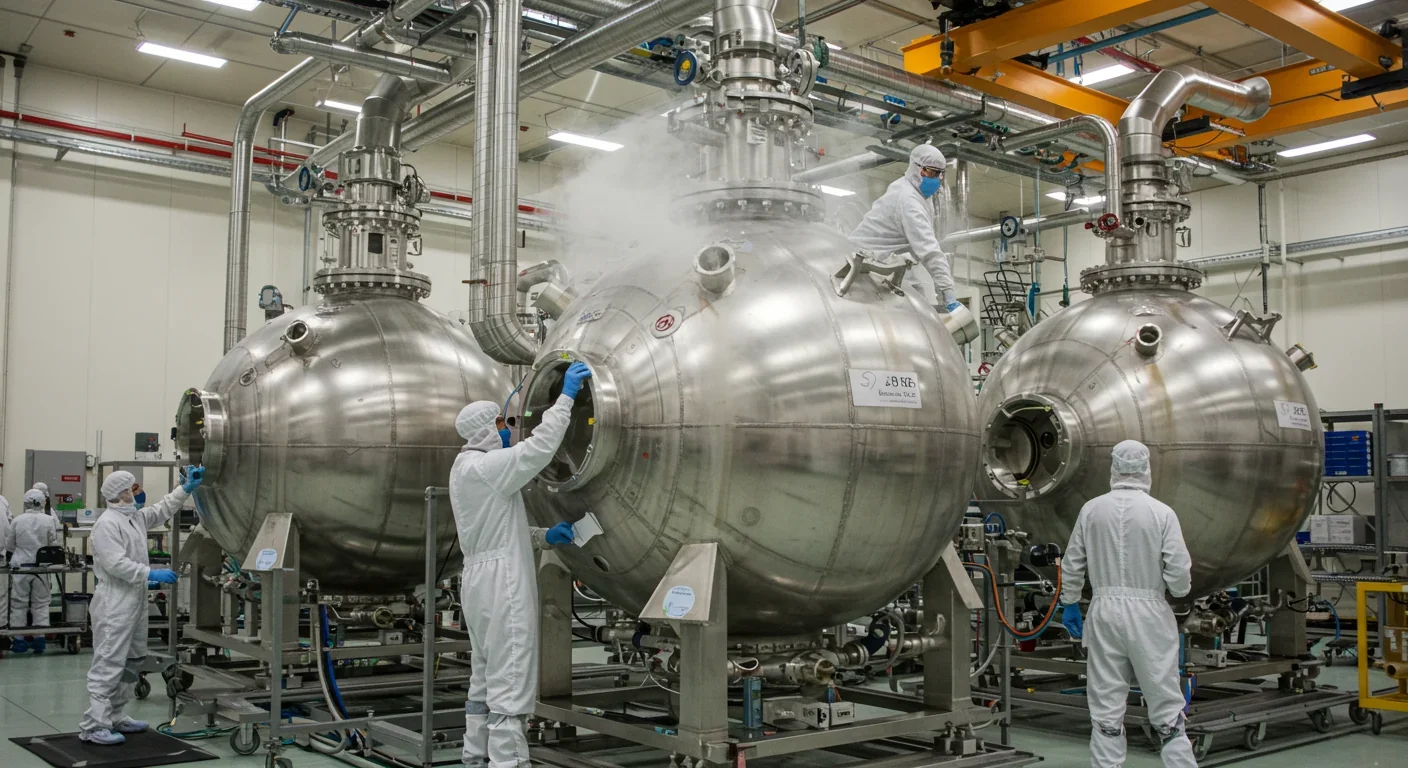
Liquid hydrogen presents unique challenges because of its extremely low density. Even as a liquid, hydrogen is so light that you need massive, heavily-insulated tanks to store meaningful quantities. The propellant lines have to run horizontally to avoid trapped vapor bubbles. And here's the kicker: hydrogen boils off continuously in space's radiative heat environment, unless you have active refrigeration systems. That's why some depot designs propose using the waste hydrogen gas as fuel for station-keeping thrusters, essentially recycling what would otherwise be lost.
Methane offers a compelling alternative. With a higher boiling point and density than hydrogen, liquid methane is easier to store and less prone to boil-off. SpaceX's bet on methalox (methane-oxygen) propulsion for Starship is partly about making orbital refueling more practical. The trade-off is performance: hydrogen delivers higher specific impulse, but methane's operational advantages often win out for long-duration missions.
Then there are hypergolic propellants - fuels that ignite on contact with their oxidizer, requiring no spark or ignition system. They enable multiple engine restarts and can be stored at room temperature, which sounds perfect for a depot. But hypergolics are viciously toxic and corrosive. A fuel leak in orbit isn't just an engineering problem; it's a regulatory nightmare.
Docking itself is a feat. On Earth, you can bump into a gas pump without catastrophe. In orbit, velocities are measured in kilometers per second, and a docking gone wrong can create debris fields that threaten every satellite in the vicinity. SpaceX demonstrated intravehicular propellant transfer - moving fuel within a single Starship - on a recent test flight. Intervehicular transfer, between two separate spacecraft, is scheduled for 2025 and represents a genuinely new capability.
In May 2025, the U.S. Space Force awarded contracts to study on-orbit refueling economics. They're not just curious - they're calculating whether refueling satellites can extend mission lifetimes and provide tactical advantages. One contractor, Orbit Fab, has already published a price: they'll refuel your satellite for $30 million per fill-up. That might sound expensive until you compare it to building and launching a replacement satellite, which often costs hundreds of millions.
Orbit Fab's business model treats propellant as a commodity. They plan to establish depots at key orbital locations and sell fuel by the kilogram. The company has secured partnerships with satellite operators and positioned itself as the "gas station network" of cislunar space. Whether the market will support multiple depot operators or consolidate into a monopoly remains an open question.
For deep-space exploration, the economics are even more dramatic. NASA's analysis suggests that refueling a Starship for a lunar mission requires 16 to 19 tanker launches, though SpaceX claims they can do it with fewer. Each tanker delivers about 200 metric tons of propellant. Without orbital refueling, you'd need to launch that entire mass plus the deep-space vehicle in a single go - which is physically impossible with current rockets.
The cost savings compound. You can launch payloads on smaller, cheaper rockets, then assemble and refuel in orbit. You can top off a satellite's tanks instead of retiring it when it runs low on maneuvering fuel. You can establish fuel caches at strategic locations - lunar orbit, Lagrange points, even Mars orbit - enabling missions that would otherwise require impossibly large vehicles.
Yet former NASA Administrator Mike Griffin warned that mission success probability drops with each refueling launch required. If each tanker launch has a 98% success rate, a mission needing 15 refuelings only succeeds 74% of the time. That's a sobering statistical reality for billion-dollar missions.
Then there's the mass-budget problem. Independent analysis by the German Aerospace Center found that Starship's subsystems likely add up to a much heavier vehicle than SpaceX publicly claims. If the dry mass is higher than advertised, the payload capacity shrinks, and suddenly those nine tanker launches become fifteen or twenty. The whole architecture depends on hitting aggressive mass targets.
Boil-off introduces logistical constraints. You can't spread tanker launches over months; the depot's fuel would evaporate. You need a rapid launch cadence, which means assembling and fueling many Starships simultaneously. That's a ground operations challenge as much as a space one.
Regulatory frameworks are still catching up. Who licenses a depot? What happens if a fuel transfer goes wrong and creates debris? International space law wasn't written with orbital gas stations in mind. The Outer Space Treaty establishes that nations bear responsibility for objects they launch, but refueling blurs the lines - who's responsible if a refueled satellite from Country A, topped off by a depot from Country B, malfunctions over Country C?
The U.S. Space Force isn't just interested in refueling for exploration. They're funding experiments because on-orbit refueling enables satellites that can continuously maneuver, making them harder to track and attack. A reconnaissance satellite that can shift orbits unpredictably is far more survivable than one locked into a predictable path.
This introduces a strategic wrinkle. If your adversary can refuel reconnaissance or weapon-delivery satellites in orbit, the geometry of space warfare changes. Refueling and maneuvering become key to national security, according to military space analysts. Depots could extend satellite lifetimes from 15 years to decades, reducing the need for costly replacement launches.
There's also an asymmetry: wealthy space powers can deploy and maintain depots more easily than smaller nations. That could widen the gap between space haves and have-nots, concentrating strategic advantages among a few actors. International cooperation on depot standards and access could mitigate this, but space remains fundamentally competitive.
History offers a guide. The American West wasn't settled by lone pioneers - it was settled by railroads, telegraph lines, and yes, supply depots. Gold rushes happened because infrastructure followed opportunity. Space is no different. The Moon has water ice at its poles, which can be split into hydrogen and oxygen: rocket fuel. Asteroids contain metals and volatiles. But exploiting these resources requires the ability to move around cheaply and refuel along the way.
The analogy extends to economic models. Early railroads were speculative ventures; many failed before the profitable routes emerged. We'll likely see depot companies rise and fall as the market figures out which orbits, propellants, and business models actually work. The winners will set de facto standards that shape space commerce for decades.
There's also a cautionary tale about infrastructure lock-in. Once a dominant depot network establishes itself, switching to a competitor becomes costly. Satellites designed for one type of refueling interface won't easily connect to another. We could end up with proprietary fuel ports the way we have proprietary phone chargers - unless regulators step in early to mandate compatibility.
China, Europe, and private companies worldwide are all pursuing orbital refueling. Russia has decades of experience with hypergolic propellant transfers from its Salyut and Mir space station programs, giving them a technical head start in some areas. The European Space Agency is exploring robotic servicing missions that include refueling. This is a genuinely international effort, even if national security concerns keep certain technologies closely guarded.
The technical challenges are immense, but they're solvable. We've docked spacecraft before. We've handled cryogenic propellants on the ground and in short-duration space missions. We've demonstrated automated rendezvous. Orbital refueling combines these capabilities in new ways, but it doesn't require magic - just meticulous engineering and lots of testing.
What's changing is the business case. Launch costs have dropped by an order of magnitude thanks to reusable rockets. That makes orbital infrastructure economically viable in ways it wasn't a decade ago. If SpaceX can launch a Starship for under $10 million, suddenly filling a depot with hundreds of tons of fuel becomes affordable. The unit economics start to work.
In the near term, expect demonstration missions. SpaceX will attempt its first ship-to-ship transfer. Orbit Fab will deploy test depots. The Space Force will fund experiments to prove out military applications. These won't be perfect; some will fail. But each iteration teaches lessons and proves out components.
By 2030, we could see operational depots in low Earth orbit servicing commercial satellites. Satellite operators will start designing vehicles with refueling ports, the way aircraft are designed with aerial refueling receptacles. Lunar missions will assume a depot in Earth orbit as part of the architecture. Mars missions will count on pre-positioned fuel at lunar orbit or beyond.
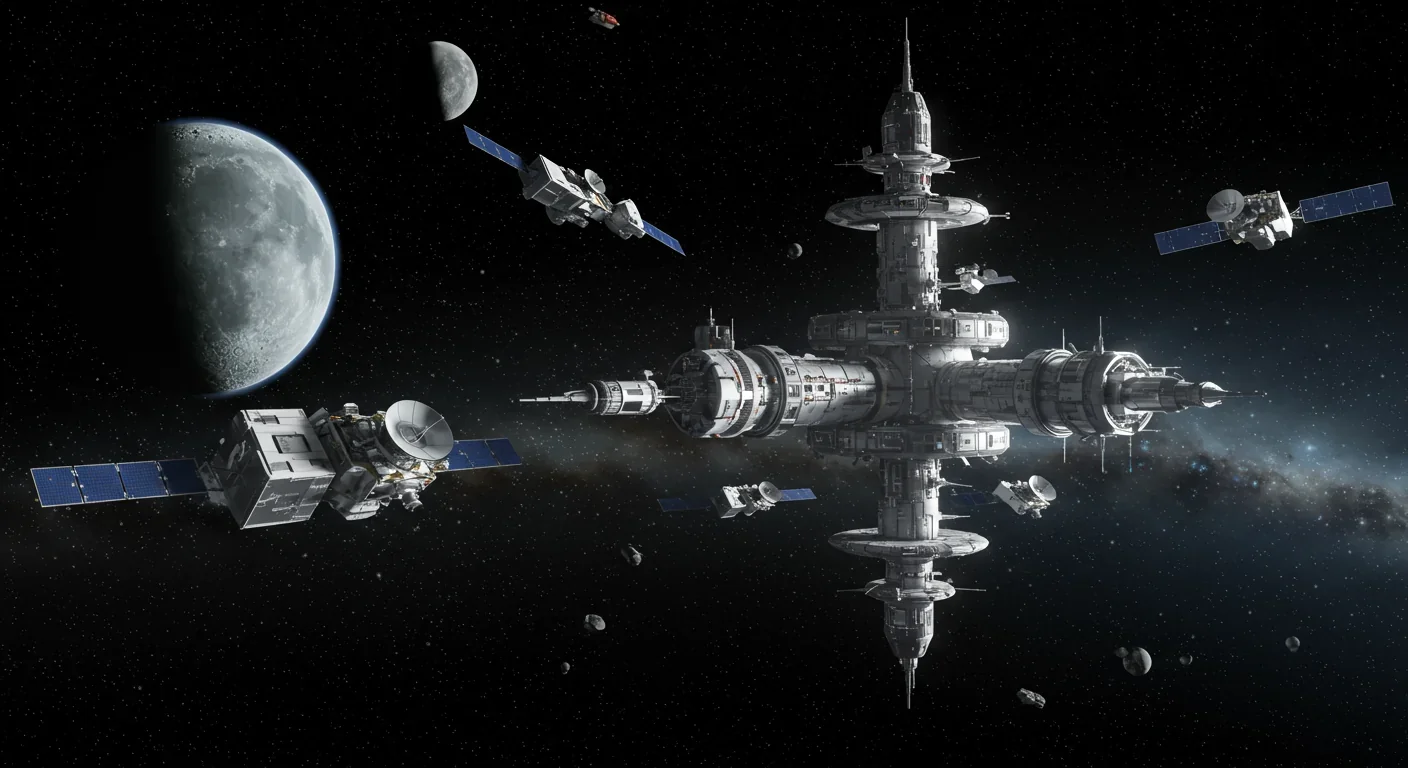
The longer-term vision is audacious: a network of depots extending from Earth orbit to the Moon, Mars, and the asteroid belt. Spacecraft that never come back to Earth, refueling and resupplying in space indefinitely. Tugs that ferry cargo between depots, optimizing fuel efficiency across multi-year trajectories. An economy where propellant is mined, refined, and sold in space, rather than lifted from Earth's gravity well.
This transforms the human relationship with space. Right now, every mission is a bespoke expedition, carefully planned and enormously expensive. With refueling infrastructure, space becomes more like ocean shipping: you book passage, refuel at ports, and go where the economics make sense. That shift - from expeditions to infrastructure - is what unlocks large-scale settlement, resource extraction, and genuinely new industries.
The skeptics are right to point out technical hurdles, cost uncertainties, and regulatory gaps. Building infrastructure is hard and often unprofitable in the short term. But the same was true of railroads, highways, and the internet. Governments and visionary companies funded those systems because they understood the long-term payoff. Orbital refueling depots are this century's version of that bet.
We're at the beginning, not the end, of this story. The first depots will be crude, expensive, and limited in capacity. But they'll prove the concept, attract investment, and spawn competitors. Standards will emerge. Costs will fall. Capabilities will expand. And one day, refueling in orbit will be as routine as refueling on the highway - a necessary pit stop on the way to somewhere more interesting.
The cosmos won't wait, and neither will the nations and companies investing in this infrastructure. Orbital refueling depots aren't just a clever engineering trick; they're the linchpin of humanity's expansion beyond Earth. The gas station in space might not sound romantic, but it's the thing that makes everything else possible.
Project Orion was a real 1960s program to reach other stars by detonating 800 nuclear bombs behind a spacecraft. The physics worked and the engineering was feasible, but the 1963 nuclear test ban treaty killed it. It remains the most credible interstellar spacecraft ever designed.

The locus coeruleus, a tiny brainstem structure, degenerates decades before Alzheimer's symptoms appear. Its loss cripples the brain's inflammation control, waste clearance, and sleep regulation. New imaging tools and noradrenergic therapies offer hope for early detection and prevention.
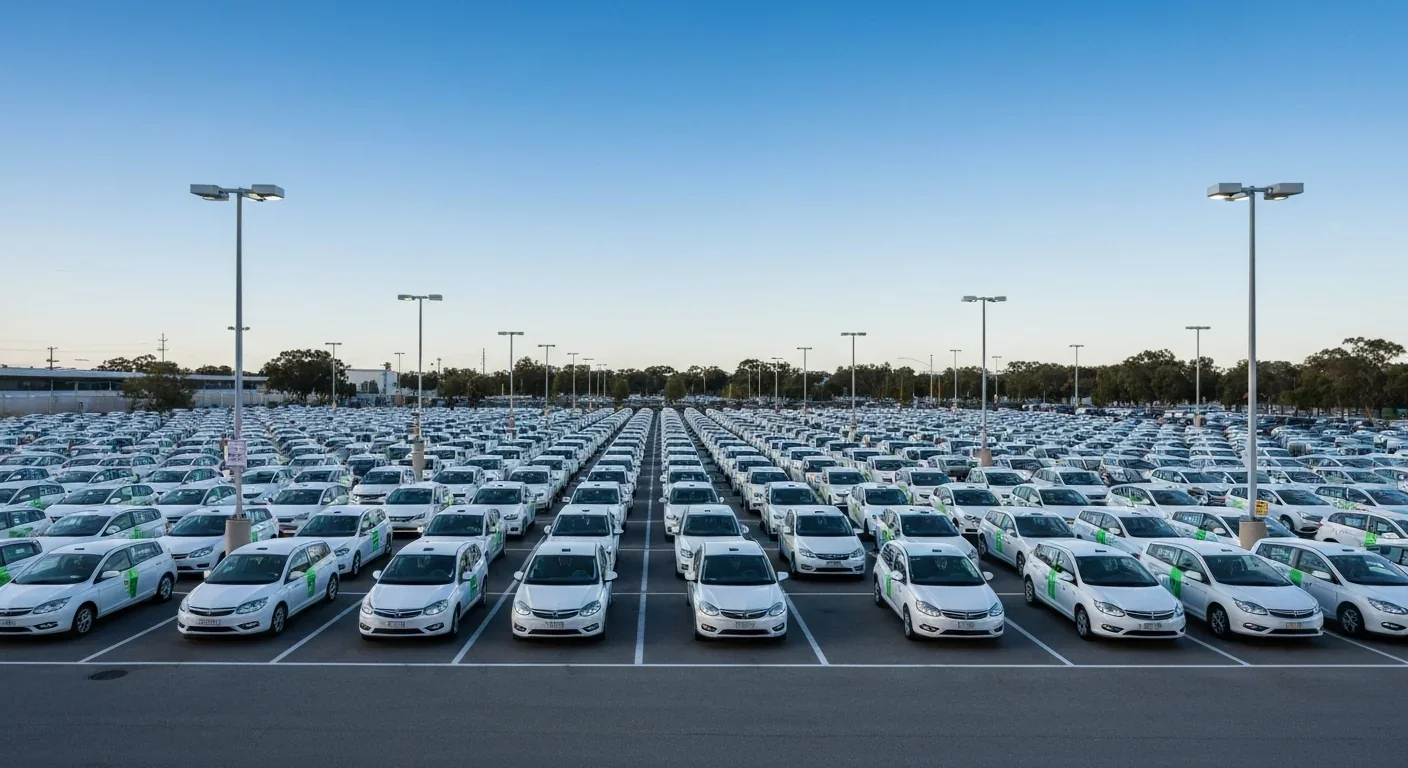
Research shows the sharing economy often increases total resource consumption through the Jevons paradox and rebound effects. Ride-sharing adds billions of vehicle miles, co-working spaces use more energy per worker, and diffused responsibility erodes conservation behavior. Breaking the paradox requires congestion pricing, accountability design, and matching sharing models to appropriate resource types.

Psychological reactance theory explains why banning or restricting things makes people want them more. From Prohibition to the Streisand effect to scarcity marketing, research shows that threatening people's freedom reliably backfires, and autonomy-supportive communication is far more effective.

A carnivorous pitcher plant in Borneo evolved to house bats instead of trapping insects, gaining up to 95% of its nitrogen from bat guano. The plant even built an ultrasonic reflector to help bats find it, revealing that carnivory in plants is a flexible spectrum.

The quantified self movement began as a hacker-ethos pursuit of personal insight, but corporate wearables now funnel biometric data to employers, insurers, and data brokers. With 81% of Americans wrongly believing health apps are HIPAA-protected, a regulatory void enables health data to be sold for pennies while generating anxiety instead of empowerment.
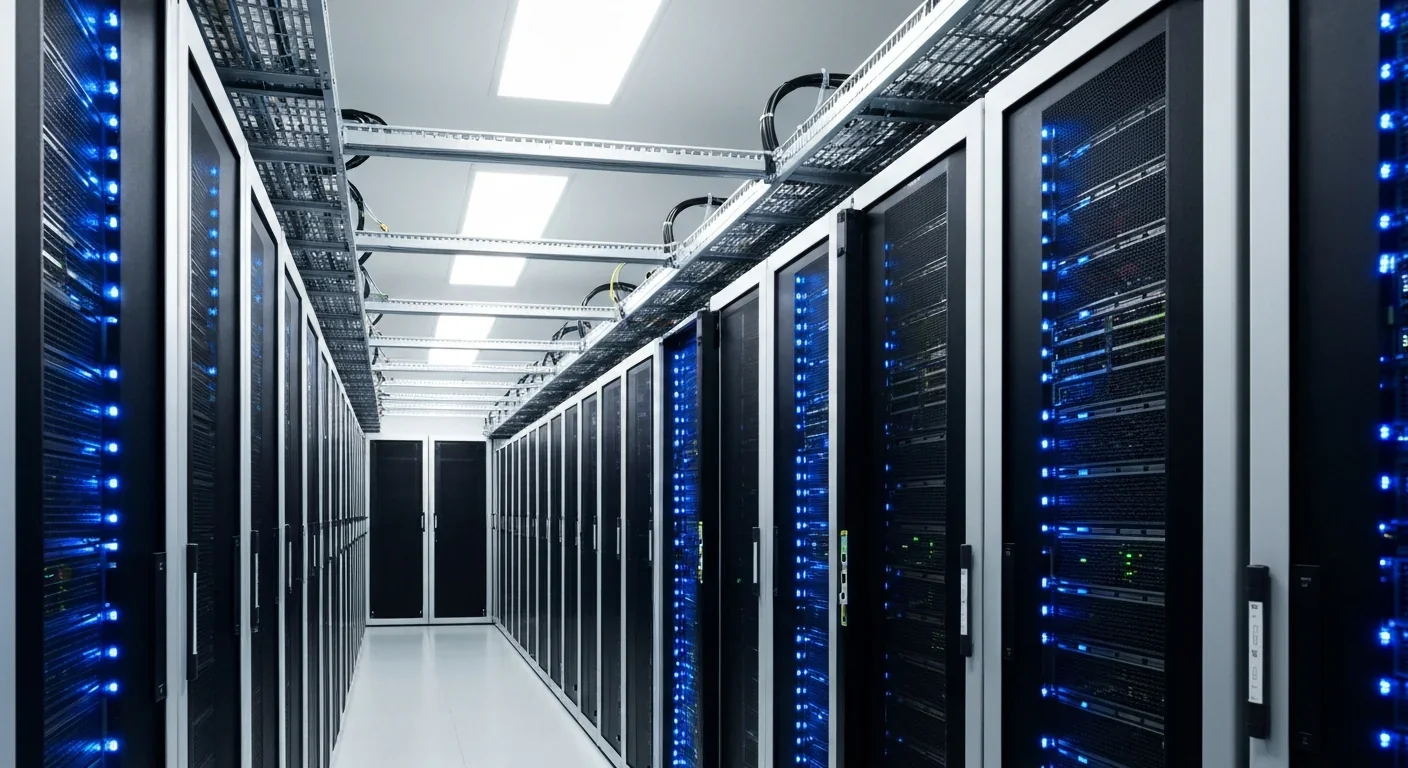
CXL memory pooling lets servers dynamically share DRAM over a cache-coherent interconnect, eliminating the 40% stranded memory waste in data centers. With commercial hardware now shipping and Azure deploying CXL cloud instances, this technology promises to cut memory costs by 50% while enabling composable infrastructure.

Loading featured articles...